
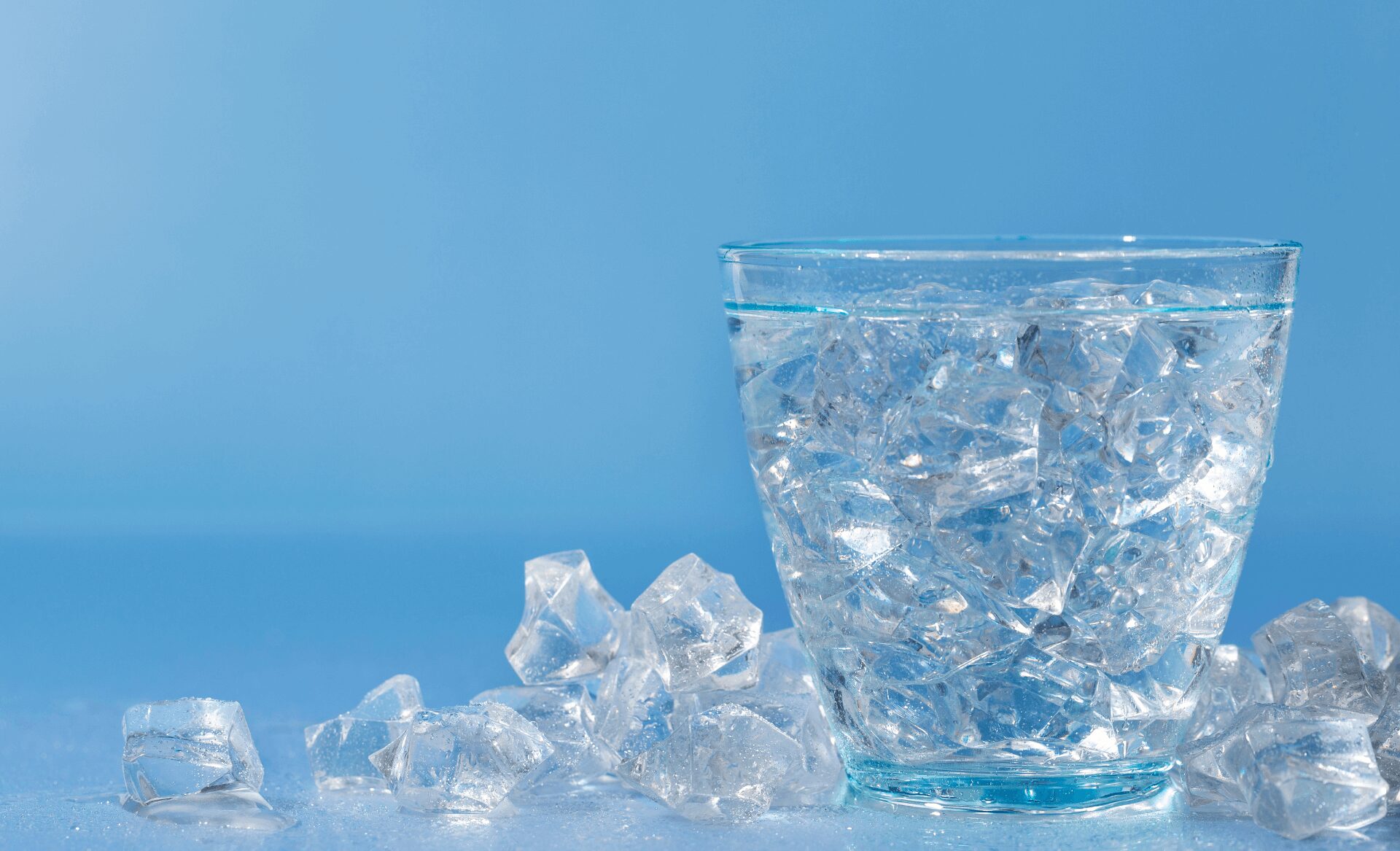
You finish your drink, the ice settles at the bottom of the glass, and without thinking, you start chewing. Crunch. Crunch. It feels harmless — refreshing, even. Many people do it every day without giving it a second thought.
But if you’ve ever wondered, “Is chewing ice bad for your teeth?” you’re asking a very smart question.
At Advanced Dental Care of Indiana, we regularly see chipped teeth, cracked fillings, and even fractured teeth caused by this common habit. While ice may seem soft and safe, it can cause real damage over time — especially if it’s a daily routine.
Let’s take a closer look at why chewing ice is risky, what damage it can cause, and when it’s time to schedule a dental exam.
Why Do People Chew Ice So Often?
Chewing ice is more common than you might think. People do it for many reasons, including:
- Enjoying the crunchy texture
- Stress or anxiety habits
- Staying alert or focused
- Habitual behavior after finishing a drink
- Cravings linked to dehydration
- In some cases, iron deficiency (a condition called pagophagia)
Because ice isn’t sweet or sticky, many people assume it’s harmless. Unfortunately, your teeth don’t see it that way.
Is Ice Bad for Your Teeth? The Short Answer
Yes — ice is bad for your teeth, especially when chewed regularly.
Ice may melt in your mouth, but when it’s frozen, it’s extremely hard. Tooth enamel is strong, but it’s not designed to repeatedly crush hard objects. Over time, the constant pressure from chewing ice can weaken enamel and cause small cracks that grow larger.
The damage doesn’t always happen all at once. Often, it builds slowly — until one day a tooth suddenly chips or fractures.
How Chewing Ice Damages Your Teeth
1. Enamel Micro-Cracks
Every time you crunch ice, tiny cracks can form in your enamel. These cracks may not be visible at first, but they weaken the tooth structure and make teeth more vulnerable to future damage.
2. Chipped or Broken Teeth
Ice can easily chip the edges of your teeth, especially the front teeth. These chips may start small but can worsen with continued pressure.
3. Cracked Fillings and Crowns
If you have dental work — fillings, crowns, or veneers — chewing ice increases the risk of cracking or loosening them.

4. Increased Tooth Sensitivity
As enamel wears down or cracks, the underlying dentin becomes exposed. This often leads to sensitivity to cold, hot, or sweet foods.
5. Jaw and TMJ Strain
Repeatedly chewing hard ice can strain your jaw muscles and joints, sometimes leading to soreness or jaw pain.
Signs Chewing Ice May Already Be Affecting Your Teeth
You may want to schedule a dental exam if you notice:
- Sudden tooth sensitivity to cold
- Sharp pain when biting
- Rough or jagged tooth edges
- Small chips or cracks
- A tooth that feels “different” when you bite
- Jaw soreness or fatigue
Early detection can prevent small cracks from turning into major dental problems.
Think chewing ice may have damaged your teeth?
A quick dental exam can catch cracks early and save you from bigger repairs later.
Schedule an appointment today:
- Indianapolis: (317) 926-5200
- Anderson: (765) 622-7000
- Fortville: (317) 485-7000
- Cicero: (317) 984-3000
Why Ice Is Especially Risky for Certain Teeth
Chewing ice is particularly dangerous if you have:
- Teeth with large fillings
- Crowns or veneers
- Root canal-treated teeth
- Existing cracks or weakened enamel
- Older dental restorations
These teeth are already more vulnerable, and ice can be the final stress that causes them to fail.
Can Chewing Ice Actually Crack a Tooth?
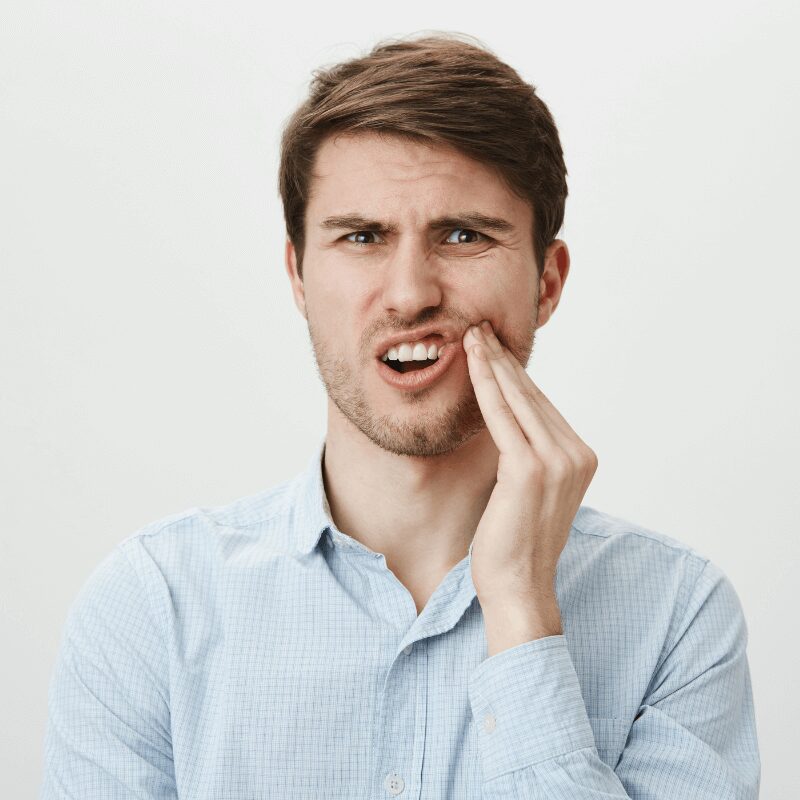
Yes — and it happens more often than people realize.
Some cracks happen suddenly with a loud “crack” sensation. Others develop slowly, weakening the tooth over months or years. This is known as cracked tooth syndrome, and it can be difficult to detect without a professional exam.
Left untreated, cracks can deepen, leading to infection, pain, or the need for a root canal or crown.
What to Do If You Can’t Stop Chewing Ice
Breaking the habit isn’t always easy, but there are safer alternatives:
- Sip cold water instead of chewing ice
- Switch to chilled fruit or vegetables
- Chew sugar-free gum
- Use stress-relief techniques if ice chewing is anxiety-related
- Stay hydrated throughout the day
If ice cravings are strong or constant, it may also be worth discussing with your healthcare provider.

Chewing ice daily? Let’s check your teeth before damage worsens.
Preventive exams help avoid cracks, pain, and costly repairs.
Call your nearest Advanced Dental Care location:
- Indianapolis | Anderson | Fortville | Cicero
How Dentists Treat Damage Caused by Chewing Ice
Treatment depends on the severity of the damage:
- Minor chips: Dental bonding
- Moderate cracks: Crowns to protect the tooth
- Deep cracks: Root canal therapy
- Severe fractures: Extraction (last resort)
The earlier damage is detected, the simpler and more affordable treatment usually is.
How to Break the Ice-Chewing Habit for Good
Awareness is the first step. Once you know the risks, many patients find it easier to stop. Keeping ice out of reach, choosing safer alternatives, and staying hydrated can make a big difference.
Your dentist can also help by monitoring your teeth for early signs of wear and recommending protective options if needed.
How Advanced Dental Care of Indiana Can Help
Our team provides:
- Gentle, thorough dental exams
- Digital imaging to detect small cracks
- Conservative treatment options
- Preventive care focused on long-term tooth health
- Friendly, judgment-free guidance
Whether you’re experiencing sensitivity or just want peace of mind, we’re here to help protect your smile.

Protect your smile before small cracks turn into big problems.
Schedule your dental exam today with Advanced Dental Care of Indiana.
📞 Call now:
- Indianapolis: (317) 926-5200
- Anderson: (765) 622-7000
- Fortville: (317) 485-7000
- Cicero: (317) 984-3000
A Small Habit with Big Consequences
So, is chewing ice bad for your teeth? Yes — even though it seems harmless, it can cause real and lasting dental damage. The good news is that early detection and small habit changes can protect your teeth for years to come.
If you chew ice regularly or notice sensitivity or chips, don’t wait. A simple dental exam can help you avoid bigger problems and keep your smile strong.
At Advanced Dental Care of Indiana, we’re proud to serve patients in Indianapolis, Anderson, Fortville, and Cicero — and we’re always here when you need us.