
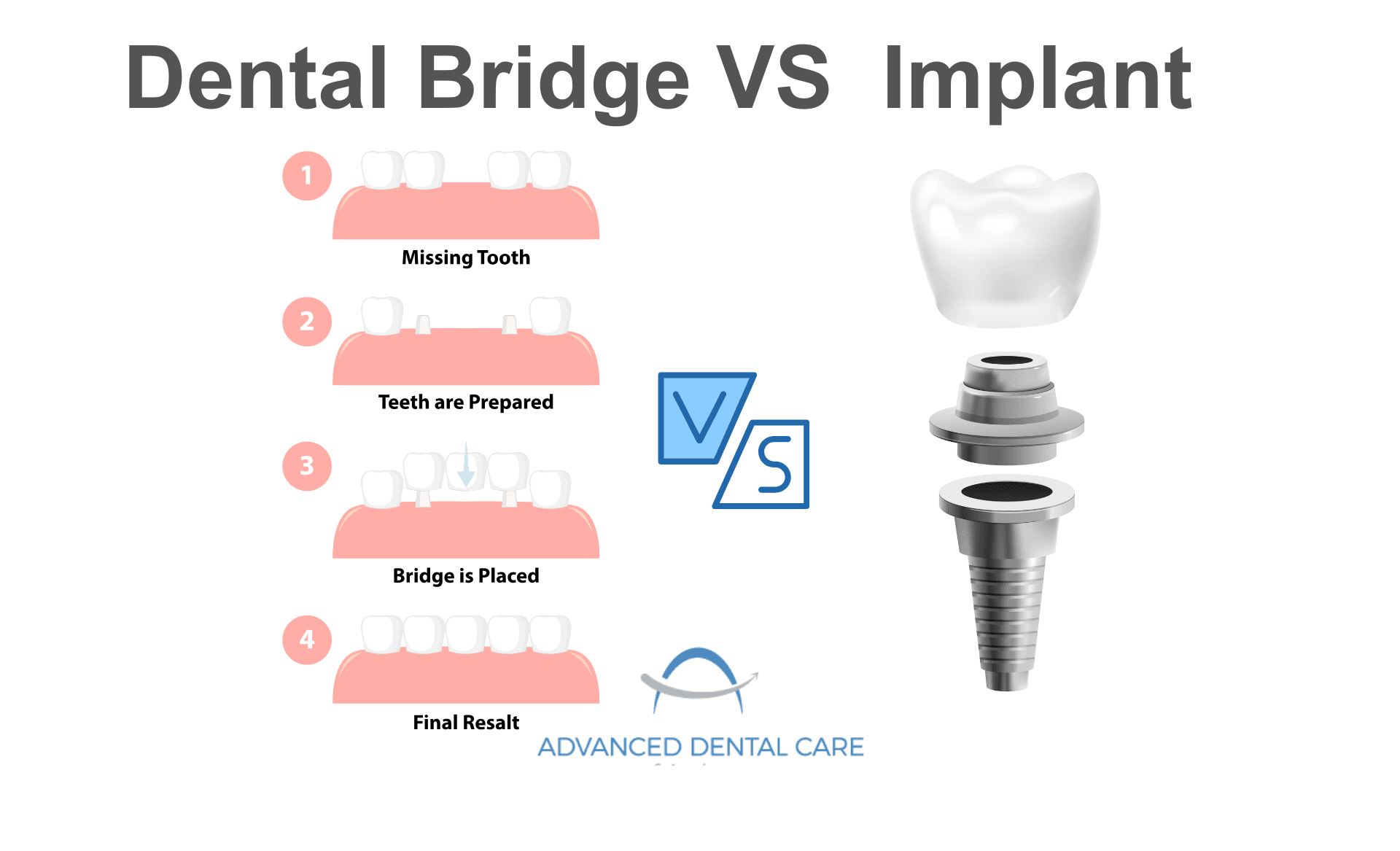
If you’re trying to decide between a dental bridge vs implant, you’re likely wondering which option is best for your missing tooth. This article will break down the main differences, benefits, and drawbacks of each option. Understanding these factors can help you make an informed decision.
Key Takeaways
- Dental bridges are a cost-effective, less invasive option for tooth replacement, but they depend on adjacent teeth for support and may require more frequent replacement.
- Dental implants offer a durable, long-lasting solution that closely mimics natural teeth, but they involve higher upfront costs and a more invasive surgical procedure.
- Factors influencing the choice between dental bridges and implants include oral health, medical conditions, personal preferences, and the potential need for additional dental procedures.
Looking for a reliable and affordable solution to replace your missing teeth? At Advanced Dental Care, our expert team specializes in custom dental bridges that restore your smile’s natural appearance and function. Schedule your consultation today and take the first step toward a confident, healthy smile with dental bridges tailored just for you!
Understanding Dental Bridges
the adjacent teeth. This method not only restores the functionality of your teeth but also maintains the natural appearance of your smile, especially if you have a missing tooth.
Constructed from durable materials like porcelain or strong plastics, dental bridges offer the same long term durability and a reliable choice for many patients.
Types of Dental Bridges
There are four primary types of dental bridges. Each type addresses specific dental needs. Traditional bridges are the most common, requiring healthy teeth on both sides of the gap to support the bridge. These bridges feature a pontic held in place by crowns on the abutment teeth.
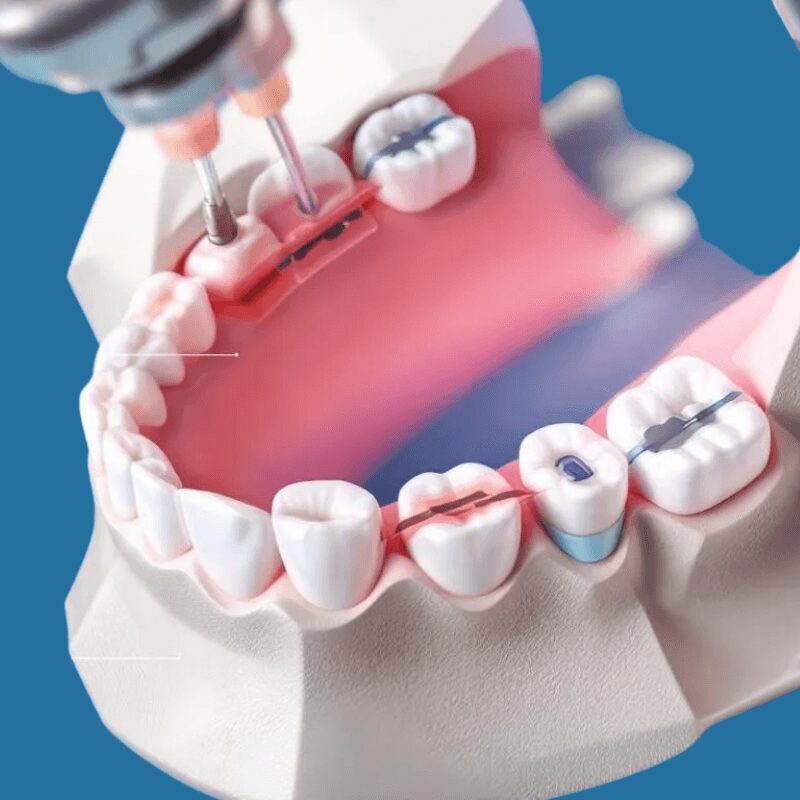
Cantilever bridges, on the other hand, are used when there are healthy teeth on only one side of the gap. Maryland bridges, also known as resin-bonded bridges, use metal or porcelain wings bonded to the back of adjacent teeth, making them ideal for front teeth.
Lastly, implant-supported bridges are anchored to dental implants rather than natural teeth, providing a sturdy and permanent solution.
Benefits of Dental Bridges
One of the significant advantages of dental bridges is their cost-effectiveness compared to dental implants. Installation is relatively fast, typically requiring just two visits to the dentist over a couple of weeks. This quick installation makes dental bridges an appealing option for those needing prompt tooth replacement.
Since dental bridges are less invasive and do not require surgery, they are a safer choice for individuals with health conditions that preclude dental procedures.
They efficiently restore your smile and improve oral health without invasive surgery.
Drawbacks of Dental Bridges
However, dental bridges are not without their drawbacks. They rely heavily on the adjacent teeth for support, which can compromise the health and longevity of these teeth over time. This dependency increases the risk of tooth decay around the supporting teeth due to plaque accumulation and other factors.
Additionally, dental bridges generally have a shorter lifespan than implants and may need more frequent replacement. Despite their quick and less invasive installation, dental bridges might not be as durable or long-lasting as other options.
Exploring Dental Implants
Dental implants offer a modern solution for missing teeth. They are highly effective in restoring dental function and aesthetics. Unlike bridges, a dental implant is surgically placed into the jawbone, acting as artificial tooth roots to support replacement teeth. Made primarily of titanium, these implants are known for their strength and biocompatibility.
As they bond with the jawbone through a process called osseointegration, dental implants provide a stable and permanent foundation for a dental crown.
Types of Dental Implants
Different types of dental implants cater to various dental needs. Endosteal implants are the most common type, placed directly into the jawbone. They provide a stable and durable solution, particularly suitable for patients with sufficient jawbone density.
Subperiosteal implants, on the other hand, are placed under the gum line but above the jawbone. These are often used for patients who do not have enough healthy jawbone and require bone grafting.
Mini dental implants are a less invasive option designed primarily to secure dentures. Each implant type offers unique benefits, selected based on individual patient requirements.
Advantages of Dental Implants
One of the most significant advantages of dental implants is their longevity. With proper care, implants can last over 15 years, far outlasting the typical lifespan of dental bridges. Additionally, dental implants help stimulate bone growth, preventing the bone loss that often occurs with missing teeth.
They closely mimic the appearance and function of natural teeth, offering a seamless and aesthetically pleasing smile. This makes them a preferred choice for those seeking a permanent and natural-looking single tooth replacement option, including prosthetic teeth.
Disadvantages of Dental Implants
Despite their benefits, dental implants do have some disadvantages. They come with a higher initial cost compared to dental bridges, making them a more significant financial investment upfront. The treatment process is also longer, often taking three to six months to complete.
Moreover, dental implants require invasive surgery to place the titanium post into the jawbone, especially when implants needed are considered. This can be a deterrent for patients who are wary of surgical procedures or have health conditions that increase surgical risks.
Weighing these factors is crucial when considering dental implants as a tooth replacement solution.

Comparing Costs
Cost is a significant factor when choosing between dental bridges and implants. The average cost of dental bridges typically ranges from $1,000 to $2,500 per tooth, while dental implants can cost between $3,000 and $7,000 per tooth.
Knowing the cost implications of each option helps in making an informed decision that may vary depending on the circumstances.
Initial Cost vs. Long-term Investment
While the initial cost of dental bridges is lower, ranging from $500 to $1,200 for a low-end bridge, dental implants, with their price range of $3,000 to $4,500, represent a more significant upfront investment. However, implants are less likely to require replacement, potentially offering better long-term value.
The cost of dental implants depends on the materials used, the number of implants required, and any additional procedures like bone grafting. Over time, the higher initial cost of implants may be offset by their durability and reduced need for replacements.
Insurance Coverage and Financing Options
Dental insurance coverage for implants and bridges can vary significantly. On average, insurance may cover 40% to 50% of the costs for both procedures. However, many insurance plans classify dental implants as elective, which can limit coverage.
Financing options are available for both dental bridges and implants, making these procedures more accessible. Checking with your insurance provider helps understand coverage, and exploring financing options can manage the final cost.
Factors Influencing Your Decision
Oral health, medical conditions, lifestyle choices, and personal preferences can all influence the decision between dental bridges and implants. A dentist can help weigh these factors to choose the best option for your specific needs.
Oral Health and Medical Conditions
Oral health and medical conditions significantly determine the best tooth replacement option. Bone density is crucial for dental implants, as insufficient bone can disqualify a patient from receiving implants without additional procedures. Patients with uncontrolled health conditions may also face increased risks during implant procedures.
If the surrounding teeth are weak or damaged, they may not adequately support a dental bridge. A thorough dental examination can reveal underlying issues affecting treatment decisions, ensuring the chosen option promotes overall dental health.
Lifestyle and Personal Preferences
Lifestyle choices and personal preferences greatly influence the choice between dental bridges and implants. Factors such as diet, oral hygiene habits, and activity levels can affect the longevity and success of the chosen treatment.
Some individuals may prefer dental bridges due to their quicker and less invasive installation process. Others may prioritize the natural-looking appearance and permanence of dental implants, despite the higher cost and longer treatment time.
Other Tooth Setting Options
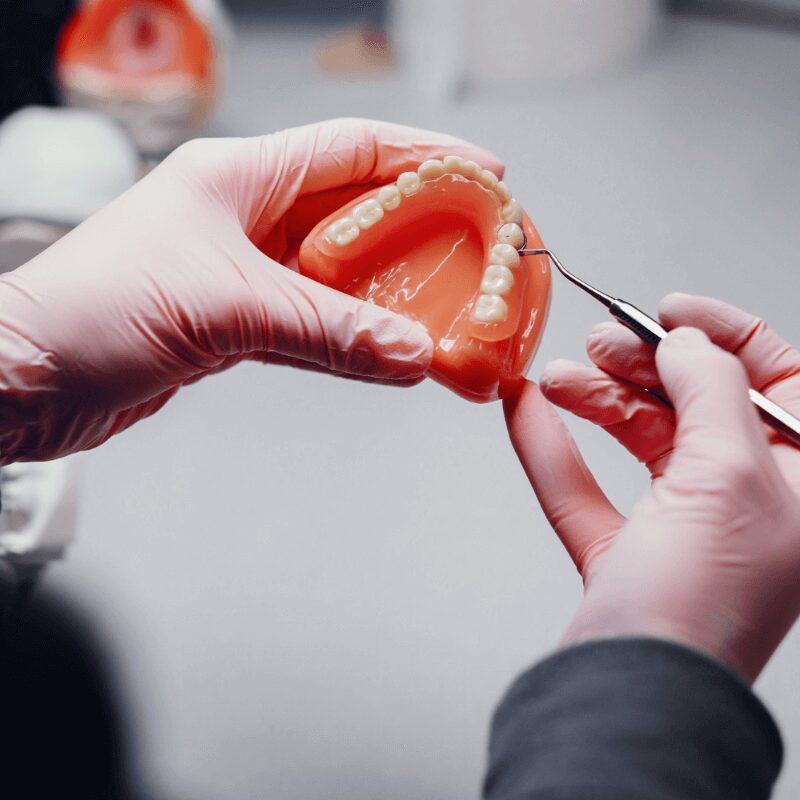
Besides dental bridges and implants, other tooth replacement options include removable partial dentures. These dentures:
- Can be made from acrylic, metal, or flexible materials, offering versatility in fit and comfort
- Clip to healthy teeth, providing stability
- Are removable
Partial dentures are generally more affordable than bridges or implants. However, they may interfere with eating or speaking and require regular maintenance and adjustments. Considering all options, such as partial dentures, ensures a comprehensive approach to tooth replacement.
Consultation with Your Dentist
Discussing tooth replacement options with a dentist is crucial for an informed decision, especially if you are concerned about tooth loss. Our expert restorative dentists at Advance Dental Care of Indiana provide personalized advice based on your oral health, medical conditions, and personal preferences. They can also explain the potential risks and benefits associated with different treatments.
For patients with dental anxiety, discussing these concerns with a dentist can help determine the most comfortable and effective treatment plan in dental practices and dental plans. Personalized advice ensures that the chosen solution aligns with your needs and promotes a confident smile through dental treatments and dental appointments.
Summary
In summary, both dental bridges and implants offer viable solutions for replacing missing teeth. Bridges provide a quicker and less invasive option, while implants offer long-term durability and a natural appearance. Consulting with a dentist and considering your oral health, lifestyle, and financial situation will help you make the best choice for your smile.
Looking to restore your smile with expert care? Contact Advanced Dental Care of Indiana today to schedule your appointment and explore restorative options including dental bridges, crowns, and implants. Our experienced team is dedicated to providing personalized treatments that bring back your confidence and oral health. Don’t wait—take the first step toward a healthier, more beautiful smile now!
📞 Call now to book your appointment:
- Anderson: (765) 622-7000
- Fortville: (317) 485-7000
- Indianapolis: (317) 926-5200
Frequently Asked Questions
When choosing between a bridge and an implant, consider your oral health, existing medical conditions, lifestyle, and financial situation. Consulting with your dentist is essential for tailored guidance.
Dental insurance may cover implants and bridges, but the coverage varies, typically ranging from 40% to 50%, as implants are often considered elective procedures. It is essential to check your specific policy for details.
Dental implants are typically more expensive than dental bridges due to their higher initial costs. It is essential to consider long-term benefits and durability when making your decision.
Dental implants can last over 15 years with proper care, whereas bridges typically require replacement sooner. This longevity makes implants a more durable option for tooth replacement.
The main difference between dental bridges and implants is that bridges rely on adjacent teeth for support, whereas implants are surgically inserted into the jawbone. This distinction affects their longevity and support.