

A cut in your mouth, cut on gums, or a sudden sore inside the mouth can feel incredibly painful—even if the injury is tiny. Because you use your mouth to talk, eat, and swallow, even minor cuts feel sharp, irritated, and impossible to ignore.
If you’re searching for how to heal a cut in your mouth overnight, the good news is that most oral injuries heal faster than cuts on your skin. With the right care, you can soothe the pain quickly and support faster healing before morning.
Below, Advanced Dental Care of Indiana explains what causes these injuries, how to treat them safely at home, when to seek professional care, and how to prevent future mouth injuries.
Need Relief Fast?
If you’re dealing with a painful mouth cut and want peace of mind, Advanced Dental Care of Indiana offers same-day and emergency appointments. Contact or call us anytime for expert care and fast relief.
Why Do Mouth Cuts Happen So Easily?
You can develop a cut on gums, cheek, tongue, or lips in seconds. The inside of your mouth is lined with soft, delicate tissue that can tear, scrape, or burn quickly.
Common causes include:
- Accidentally biting the inside of your cheek or tongue
- Eating sharp foods (chips, crusty bread, hard candy)
- Dental tools or brushing too hard
- Orthodontic braces or retainers
- Hot food burns on the roof of the mouth
- Sports injuries or falls
- Vitamin deficiencies (especially B vitamins, iron)
Autoimmune conditions that make tissue more fragile
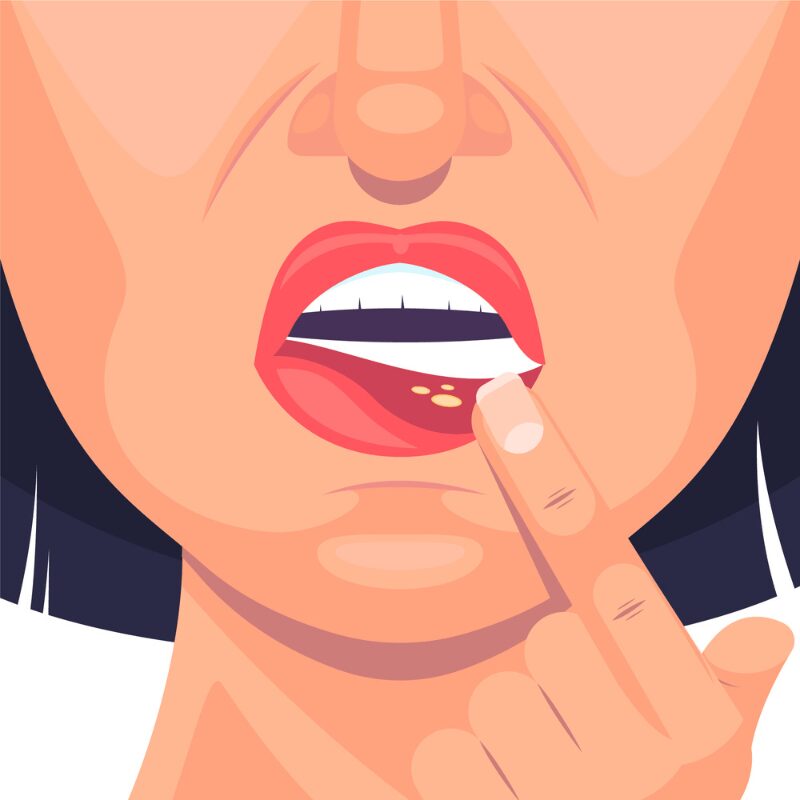
Because the mouth contains many blood vessels, these cuts may bleed heavily—even when the injury is mild.
First Aid: What to Do Right Away for a Cut in Your Mouth
Before thinking about how to heal a cut in your mouth overnight, you need to take the right first steps immediately. These steps reduce pain, prevent infection, and jump-start healing.
1. Wash your hands
Before touching the wound or applying any pressure, wash thoroughly with soap and water.
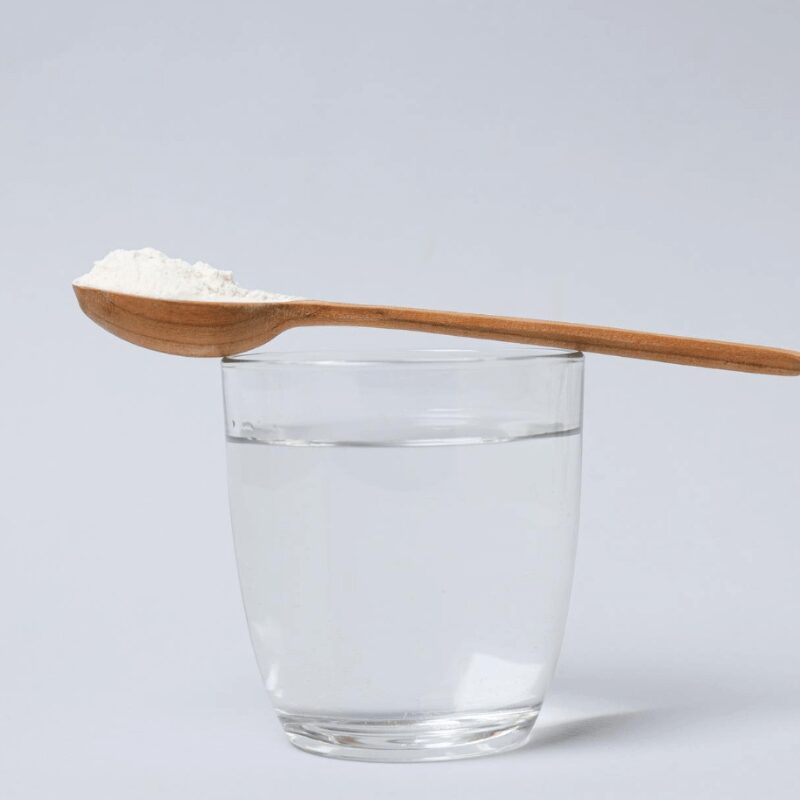
2. Rinse with warm salt water
Salt water is one of the safest, most effective ways to clean a fresh cut.
- Mix 1 teaspoon of salt in 1 cup of warm water
- Rinse gently for 20–30 seconds
- Repeat 3–4 times daily
Salt water helps reduce bacteria, soothe swelling, and keep the area clean without irritation.
3. Stop the bleeding
If the cut is actively bleeding:
- Apply gentle pressure with clean gauze or a damp tea bag
- Hold for 5–10 minutes
- Do not remove the gauze if it becomes soaked—add more layers instead
Tea bags (especially black or green tea) contain tannins that help blood clotting.
4. Remove any debris
If food particles or foreign bits are trapped in the wound, rinse well with warm water until the area feels clean.
5. Cool the area
Sucking on a popsicle or applying an ice pack to the cheek can instantly reduce swelling and pain.
How to Heal a Cut in Your Mouth Overnight: Best Remedies That Work Fast
Now that the area is clean, here are the best overnight treatments to help soothe the pain and support fast tissue repair.
These remedies are safe, dentist-approved, and commonly used at home.
1. Saltwater rinses (most effective natural method)
Salt water remains the gold standard. Use it:
- Before bed
- After meals
- In the morning
This prevents bacteria from irritating your cut on gums or cheek throughout the night.
2. Honey (natural antibacterial)
Honey has strong antimicrobial properties and can soothe irritated tissue.
- Dab a thin layer of pure honey directly onto the cut
- Let it sit 10–15 minutes
- Repeat 2–3 times before bed
Note: Never give honey to children under age 1.
3. Aloe vera (food-grade only)
According to medical research, aloe vera can soothe inflammation and accelerate tissue repair.
- Use food-grade aloe gel—not cosmetic aloe
- Apply a small amount to the area
- Let it sit
4. Coconut oil pulling
Coconut oil is naturally antimicrobial and soothing.
- Swish 1 teaspoon gently for 5–10 minutes
- Spit it out (do NOT swallow)
- Use once before bed
5. Cold therapy
Before bed:
- Suck on an ice cube wrapped in gauze
- Or apply a cold compress to the outside of your mouth
This reduces swelling and dulls pain.
Over-the-Counter Products That Speed Up Healing
If your mouth cut is painful or you need quicker relief, these OTC products help protect the area and keep bacteria away.
1. Oral pain relief gels
- Orajel
- Anbesol
These numb the area temporarily and ease sharp pain.
2. Protective pastes
These form a barrier over the cut to shield it from irritation:
- Colgate Peroxyl
- Canker-X
- Orabase
These are excellent for a sore inside mouth that hurts when eating or brushing.
3. Pain relievers
If the cut is throbbing, use:
- Ibuprofen
- Acetaminophen
Follow the dosing instructions exactly.
4. Antiseptic mouthwash (alcohol-free)
Choose gentle formulas to avoid burning the wound.
Dietary Tips to Protect the Cut Overnight
What you eat plays a big role in how quickly a cut on gums or cheek heals.
Eat soft, gentle foods:
- Yogurt
- Scrambled eggs
- Smoothies
- Mashed potatoes
- Soups
Avoid foods that irritate the wound:
- Spicy foods
- Salty snacks
- Acidic foods (tomatoes, citrus)
- Crunchy foods (chips, popcorn, nuts)
Stay hydrated
Water helps flush bacteria from the mouth and keeps the tissue moist for healing.
Dealing With a Painful Mouth Cut?
If your mouth cut is affecting eating, sleeping, or speaking, let our team help.
Advanced Dental Care of Indiana provides gentle, same-day treatment for cuts, sores, and oral injuries.
Is It a Cut or Something Else? (Canker Sores vs. Cuts)
Many people mistake a canker sore for a cut. Here’s how to tell the difference:
A true cut usually comes from:
- Biting the cheek
- Brushing aggressively
- Sharp food
- Injury
- Dental tools
A canker sore is a round, painful ulcer that often appears due to:
- Stress
- Hormones
- Immune issues
- Vitamin deficiencies
Both can be very painful, but treatment is slightly different. Cuts respond better to saltwater rinses and protective pastes, while canker sores may need anti-inflammatory gels.
How Long Does a Mouth Cut Take to Heal?
Most cuts:
- Heal within 1–3 days if minor
- Heal within 3–7 days if deeper
- Heal within 1–2 weeks if large
The mouth heals faster than most areas because:
- It has a rich blood supply
- Saliva contains proteins that speed tissue repair
- Oral cells regenerate quickly
But “how to heal a cut in your mouth overnight” depends on the severity. While you can reduce pain overnight and start the healing process, deeper cuts may need more time.
When to See a Dentist or Doctor
Contact Advanced Dental Care of Indiana if you notice:
- Bleeding that won’t stop after 10 minutes
- Worsening pain
- Fever
- Pus or foul smell
- Swelling that spreads to the cheek or neck
- Difficulty swallowing or breathing
- A deep cut
- A cut larger than half an inch
- A cut caused by a dirty or rusty object
- A bite wound (human or animal)
- A cut on gums with exposed bone
- Signs of infection (warmth, redness, streaks)
Don’t take risks with infections in the mouth—they can spread quickly.
How to Prevent Future Mouth Cuts
To avoid another painful sore inside mouth, follow these tips:
- Chew slowly and mindfully
- Avoid talking while chewing
- Wear a mouthguard during sports
- Don’t chew pens, pencils, or fingernails
- Keep braces waxed to avoid irritation
- Let hot food cool before eating
- Use a soft-bristled toothbrush
- Avoid using your teeth as tools
- Maintain good nutrition (B12, iron, folate)
Don’t Wait for Mouth Pain to Get Worse
If your mouth cut isn’t healing, feels infected, or is causing significant discomfort, Advanced Dental Care of Indiana is here to help.
Call us today to schedule an appointment and get the relief you need.
Advanced Dental Care of Indianapolis: (317) 859-9444
Advanced Dental Care of Anderson: (765) 622-7000
Advanced Dental Care of Fortville: (317) 485-7000
Advanced Dental Care of Cicero: (317) 984-3000
Frequently Asked Questions
Stress, misaligned teeth, swollen tissue, or fast eating may cause repeat cheek injuries.
You can significantly reduce pain overnight, but complete healing may take 1–3 days depending on severity.
No. Creams meant for skin should not be used inside the mouth.
Watch for swelling, redness, pus, fever, or pain that gets worse instead of better.
Yes. The mouth has many blood vessels, so even small cuts can look dramatic.
Use saltwater rinses, avoid spicy foods, and apply a protective paste to shield the area.