

Why do I have white spots on my teeth? White spots can signal various dental issues like enamel hypoplasia, dental fluorosis, or poor oral hygiene. Understanding these causes can help you find the right treatment and prevention methods. Read on to learn more from Advanced Dental Care of Indiana.
Key Takeaways
- White spots on teeth can indicate issues such as enamel hypoplasia, dental fluorosis, and poor oral hygiene, emphasizing the importance of identifying underlying causes for effective treatment.
- Diet plays a crucial role in the formation of white spots, with high intake of acidic and sugary foods contributing to enamel erosion; maintaining a balanced diet is essential for dental health.
- Preventative measures, including good oral hygiene, regular dental check-ups, and the use of fluoride, are vital to minimize the risk of white spots and maintain healthy teeth.
Common Causes of White Spots on Teeth
White spots on teeth can signal underlying dental problems, including tooth decay, which may develop in early childhood. These white blotches can be a source of concern and embarrassment, but identifying their root causes is the first step towards effective treatment. Enamel hypoplasia, dental fluorosis, and poor oral hygiene are three of the most common culprits behind these spots on my teeth.
Enamel hypoplasia results from improper enamel development, causing weakened protection and white patches on the tooth’s surface. Conversely, dental fluorosis is due to excessive fluoride exposure during tooth development, which can lead to noticeable white spots.
Lastly, neglecting good oral hygiene practices can result in bacterial plaque buildup, leading to early decay and the formation of white spots on teeth.
Enamel Hypoplasia
Enamel hypoplasia refers to a condition where the tooth enamel does not form properly, resulting in thinner enamel than normal. This condition can manifest as grooves or lines in teeth and is often accompanied by tooth sensitivity. Individuals with enamel hypoplasia are at a higher risk of dental damage and decay, making it crucial to address this tooth defect promptly in developing teeth.
The causes of enamel hypoplasia can vary, including nutritional deficiencies, conditions like celiac disease, and exposure to certain medications during childhood. Topical fluoride treatments can help strengthen enamel and prevent decay in individuals with enamel hypoplasia, providing a protective barrier against further dental problems.
Dental Fluorosis
Dental fluorosis typically develops during childhood when children are exposed to high levels of fluoride. This condition can cause pitted enamel and lead to teeth discoloration and white spots on the teeth. While dental fluorosis is typically harmless and does not pose significant health risks, it can affect the appearance of the teeth and cause aesthetic concerns.
Dental fluorosis is primarily caused by excess fluoride exposure during the development of teeth. This condition arises when fluoride consumption exceeds recommended levels, often due to too much fluoride. Causes include:
- Drinking overly fluoridated water
- Swallowing toothpaste
- Taking fluoride supplements without proper supervision. Proper fluoride levels and monitoring intake during childhood are key to preventing this condition.
Poor Oral Hygiene
Inadequate dental hygiene practices can lead to plaque buildup, which is a significant factor in the development of white spots on teeth. The process includes:
- Plaque accumulates on teeth, leading to decalcification and the formation of white spots.
- Bacteria found in plaque produce acid.
- This acid erodes enamel and leads to decalcification.
Poor dental hygiene can lead to tooth decay and cavities, increasing the risk of white spots on teeth. Incorporating good oral hygiene practices, such as proper brushing and flossing, can help remove plaque and prevent the development of white spots on teeth.
Worried About White Spots on Your Teeth?
White spots can be a sign of enamel issues, early decay, or mineral loss. Don’t wait for them to get worse—schedule an exam at Advanced Dental Care of Indiana to learn what’s causing the discoloration and how to treat it.
The Role of Diet in White Spots Formation
Diet plays a crucial role in the formation of white spots on teeth. A high intake of acidic foods and drinks can lead to the erosion of tooth enamel, making it more susceptible to damage. Limiting the consumption of sugary and acidic beverages can lower the risk of enamel erosion and prevent the formation of white spots.
After consuming acidic or sugary foods, it’s beneficial to brush your teeth to lessen the potential harm to your enamel. To minimize potential damage to your enamel from acidic or sugary foods, it is beneficial to first rinse your mouth, then brush your teeth afterward. However, be sure to wait at least 30 minutes before brushing. This waiting period is important, especially if you did not brush your teeth before the meal.
Dietary changes that reduce acidic fruits and sugary drinks can help prevent white spots on teeth and maintain overall dental health.
Sugary Foods and Drinks
Sugary foods can accelerate the production of acid-forming bacteria in the mouth. Frequent consumption of sugary items can lead to an increase in harmful bacteria, which produce acid that erodes enamel. This process can result in white spots on teeth and other dental issues.
Limiting sugary foods and drinks is vital to prevent bacteria-induced enamel erosion and maintain oral health. Reducing consumption of sugary drinks and opting to ingest large quantities of healthier alternatives can significantly protect your teeth from damage.
Acidic Foods and Drinks
Acidic foods erode tooth enamel, weakening it and making it more susceptible to damage. Common acidic foods and drinks include:
- Sodas
- Lemons
- Oranges
- Grapefruit
Regular intake of acidic beverages can exacerbate enamel degradation and lead to white spots on teeth. Limiting the consumption of acidic foods and drinks and opting for less acidic options can help protect your enamel and maintain dental health.
Vitamin Deficiencies
Lack of vitamins, particularly:
- Vitamin A
- Vitamin C
- Vitamin D
Can negatively impact enamel health. Inadequate intake of these vitamins can impair enamel remineralization and lead to discoloration and white marks on teeth.
Ensuring a balanced diet rich in essential vitamins is crucial for maintaining enamel health and preventing dental issues.
Effects of Orthodontic Treatment on Tooth Enamel
Orthodontic treatments, such as wearing braces, can complicate dental hygiene and increase the chances of developing white spots on teeth. Poor dental hygiene during orthodontic treatment raises the risk of white spots because of plaque accumulation. Understanding how orthodontic treatments affect tooth enamel can help you take preventive measures.
Plaque accumulation with braces and post-orthodontic white spots are common issues that patients face. Proper oral hygiene and regular dental check-ups are essential to minimize these risks and maintain healthy teeth during and after orthodontic treatment.
Plaque Accumulation with Braces
Using tools like a Waterpik can help remove plaque around braces where standard toothbrushes may struggle. Wearing braces complicates proper oral hygiene, making it harder to effectively remove plaque. If you wear braces, they create additional nooks and crannies that trap food particles and plaque, increasing the risk of decay.
This difficulty in plaque removal during orthodontic treatment can lead to white spots on teeth due to enamel demineralization. Proper brushing and flossing techniques help prevent plaque buildup and protect enamel on the tooth’s surface.
Post-Orthodontic White Spots
White spots can appear on teeth after braces are removed due to enamel demineralization during treatment. This happens because:
- Wearing braces can lead to plaque buildup around brackets, making them hard to clean.
- The difficulty in cleaning around braces leads to plaque buildup.
- Plaque buildup can result in decalcification of the tooth, causing white spots.
After removing braces, these white spots may become more pronounced due to the previous enamel demineralization. Addressing these white spots through proper dental care and treatment options can help restore your smile, especially if the surface appears chalky white.
Preventive Measures for White Spots on Teeth
Preventing white spots on teeth involves:
- Maintaining a good oral hygiene routine, including brushing and flossing.
- Reducing sugary or acidic food intake to protect enamel and prevent white spots.
- Drinking water after consuming sugary or acidic foods to help reduce damage to enamel.
Regular dental check-ups can help identify early signs of white spot formation and allow for timely intervention. Incorporating fluoride use into your dental care routine can also help remineralize enamel and prevent white spots.
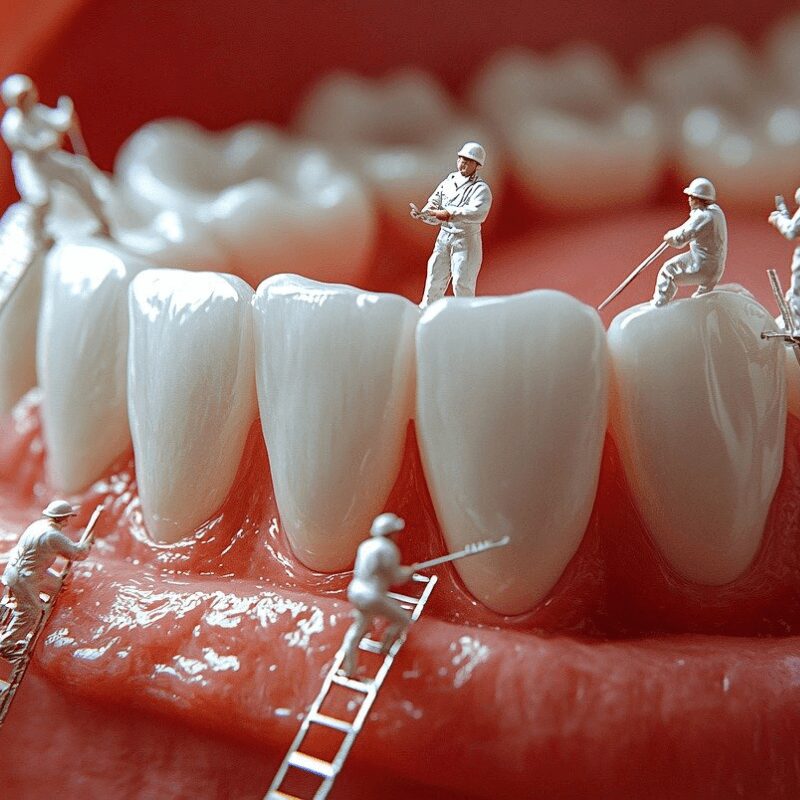
Good Oral Hygiene Practices
Proper oral hygiene practices are crucial for maintaining healthy enamel and preventing white spots on teeth. The ADA recommends to practice good oral hygiene by:
- Brushing twice daily with fluoride toothpaste
- Flossing daily to effectively remove plaque
- Brushing after meals to remove leftover food particles and prevent plaque buildup.
Sugary foods can create acidic environments in the mouth, leading to enamel erosion and tooth decay. Maintaining good oral hygiene and regular professional cleanings are essential for healthy teeth.

Regular Dental Check-Ups
Dental professionals can provide personalized advice on maintaining enamel health based on individual risk factors. Regular dental visits play a crucial role in maintaining good dental health and preventing issues. Early detection of dental issues is facilitated by routine check-ups with dental professionals.
Professional cleaning during dental visits helps remove plaque and tartar, preventing the development of white spots. Regular check-ups and cleanings help maintain a healthy smile.
Fluoride Use
Fluoride helps remineralize enamel and prevent the formation of white spots on teeth. Key points about fluoride include:
- Fluoride supplements are effective in strengthening enamel.
- They aid in remineralization.
- They help prevent the formation of white spots.
- Fluoride toothpaste should be used after a child is 2 years old.
Parents should monitor fluoride use in children by:
- Using a pea sized amount of fluoride toothpaste for 2-3-year-olds.
- Ensuring fluoride supplements are prescribed by a doctor or dentist.
- Monitoring children’s overall fluoride consumption to prevent excess exposure and dental fluorosis.
Treatment Options for White Spots on Teeth
If you notice white spots on your teeth, it’s crucial to schedule a visit with a dentist. Treatment options vary based on the cause and severity of the white spots. Consult a dentist at Advanced Dental Care of Anderson, Fortville, Indianapolis, or Cicero for personalized treatment plans.
Home treatments, including whitening strips and paste, can reduce the appearance of white spots. Dental bonding, porcelain veneers, and microabrasion are effective professional treatments for addressing white spots on teeth.

Topical Fluoride Treatments
Topical fluoride treatments are designed to remineralize enamel and restore its strength. These treatments can help individuals with enamel hypoplasia by strengthening enamel and preventing decay. Topical fluoride treatments are recommended for mild decalcification.
Topical fluoride treatments can be an essential part of a comprehensive treatment plan to treat white spots on teeth and may include professional treatment options. Discuss these options with your dentist to determine the best approach for your specific needs.
Microabrasion
Microabrasion is a dental procedure that is minimally invasive. It involves the removal of a thin layer of enamel, including the outer layer. The process involves removing a layer of enamel using mild abrasion, effectively reducing the visibility of white spots.
Microabrasion can be combined with teeth whitening products to improve the overall appearance of teeth. The outcome of microabrasion is a reduction in the visibility of white spots and an overall improvement in tooth appearance.
Dental Bonding
Dental bonding is a procedure where resin is used to coat white spots, providing an aesthetic improvement. This treatment involves applying tooth-colored resin to cover white spots effectively, improving the appearance of your teeth.
Porcelain Veneers
Porcelain veneers are recommended for treating severe cases of white spots on teeth. These thin coverings are customized to fit over the teeth, effectively masking white spots and enhancing the overall appearance of your smile.
Porcelain veneers are known for their durability and ability to provide a more confident smile. Advanced Dental Care of Indiana offers top-notch porcelain veneers and crowns to cover white spots on your teeth, ensuring a naturally white and more aesthetically pleasing result.
White Spots Getting More Noticeable?
Our dentists offer safe, effective treatments like fluoride therapy, microabrasion, and whitening options tailored to your smile.
📞 Call today for a consultation and let us help restore your confidence:
- Advanced Dental Care of Indianapolis: (317) 859-9444
- Advanced Dental Care of Anderson: (765) 622-7000
- Advanced Dental Care of Fortville: (317) 485-7000
- Advanced Dental Care of Cicero: (317) 984-3000
Lifestyle Changes to Support Dental Health
Daily habits significantly influence the health of teeth and gums. Making lifestyle changes can significantly contribute to better dental health and help prevent the formation of white spots on teeth. Using mouthwash as part of dental care can further reduce plaque buildup and protect against white spots.
Incorporating changes such as:
- Reducing sugary and acidic intake
- Staying hydrated
- Avoiding mouth breathing can support dental health and prevent white spots. These lifestyle adjustments, combined with good oral hygiene practices, can make a significant difference in maintaining healthy teeth.
Reducing Sugary and Acidic Intake
Eating less sugar and acidic foods can protect enamel. Sugary and acidic foods and drinks can erode enamel and increase the risk of white spots. Using a straw can reduce exposure of teeth to sugars and acids, thereby minimizing the risk of enamel erosion.
Opting for healthier alternatives and limiting the consumption of sugary drinks can help maintain good dental hygiene and protect your teeth from damage. These dietary changes can significantly reduce the risk of developing white spots on teeth.
Staying Hydrated
Staying hydrated is crucial for maintaining oral health, particularly in washing away food particles and bacteria. Hydrating frequently helps neutralize acids and remove food residues, reducing the risk of dental issues.
Maintaining sufficient saliva production is essential for neutralizing acids in the mouth. Drinking sufficient water throughout the day helps to rinse away food particles and bacteria, supporting overall dental health.
Avoiding Mouth Breathing
Temporary white spots on teeth can occur when sleeping with the mouth open due to dehydration of the enamel surface. When a person is sick, it increases the likelihood of sleeping with the mouth open, which can contribute to dry mouth.
Wearing a chin strap while sleeping can help prevent dry mouth by encouraging nasal breathing. Using humidifiers in the bedroom may help alleviate dry mouth caused by overnight breathing habits. Saliva rehydrates enamel in the morning, helping to eliminate temporary white spots that form overnight.
Summary
Understanding the causes and treatments for white spots on teeth is essential for maintaining optimal dental health. From enamel hypoplasia and dental fluorosis to poor oral hygiene, various factors can contribute to the formation of these white marks. Addressing dietary habits and making lifestyle changes can significantly reduce the risk of enamel erosion and white spots. Consuming citrus fruits often can lead to increased tooth sensitivity and enamel erosion.
Preventive measures such as good oral hygiene practices, regular dental check-ups, and proper fluoride use are crucial in maintaining healthy teeth. When white spots do occur, treatment options like topical fluoride treatments, microabrasion, dental bonding, and porcelain veneers can effectively restore your smile. By taking proactive steps and seeking professional advice, you can achieve and maintain a confident, healthy smile.
Ready to Treat White Spots and Improve Your Smile?
Whether the cause is enamel hypoplasia, fluorosis, or early decay, our team can help you get a healthier, brighter smile.
Book your appointment with Advanced Dental Care of Indiana now for expert diagnosis and personalized treatment.
Or Call your nearest dental clinic:
Advanced Dental Care of Indianapolis: (317) 859-9444
Advanced Dental Care of Anderson: (765) 622-7000
Advanced Dental Care of Fortville: (317) 485-7000
Advanced Dental Care of Cicero: (317) 984-3000
Frequently Asked Questions
Yes, a diet high in sugary and acidic foods can contribute to the formation of white spots on teeth by eroding enamel. Maintaining a balanced diet while limiting such foods is essential for healthy teeth.
White spots on teeth are not necessarily permanent and can be treated with options like fluoride treatments, microabrasion, or dental bonding. It’s essential to consult with a dentist for the most suitable solution.
To effectively remove white spots on your teeth, consider treatments such as enamel microabrasion, teeth bleaching, or applying porcelain veneers. Each method can help improve the appearance of your smile, so consult a dental professional for the best option.
White spots on teeth typically indicate early tooth decay or issues like dental fluorosis, resulting from enamel demineralization or excessive fluoride exposure. These lesions can signify underlying oral health problems, emphasizing the importance of maintaining good oral hygiene.