
The Everyday Dental Dilemma
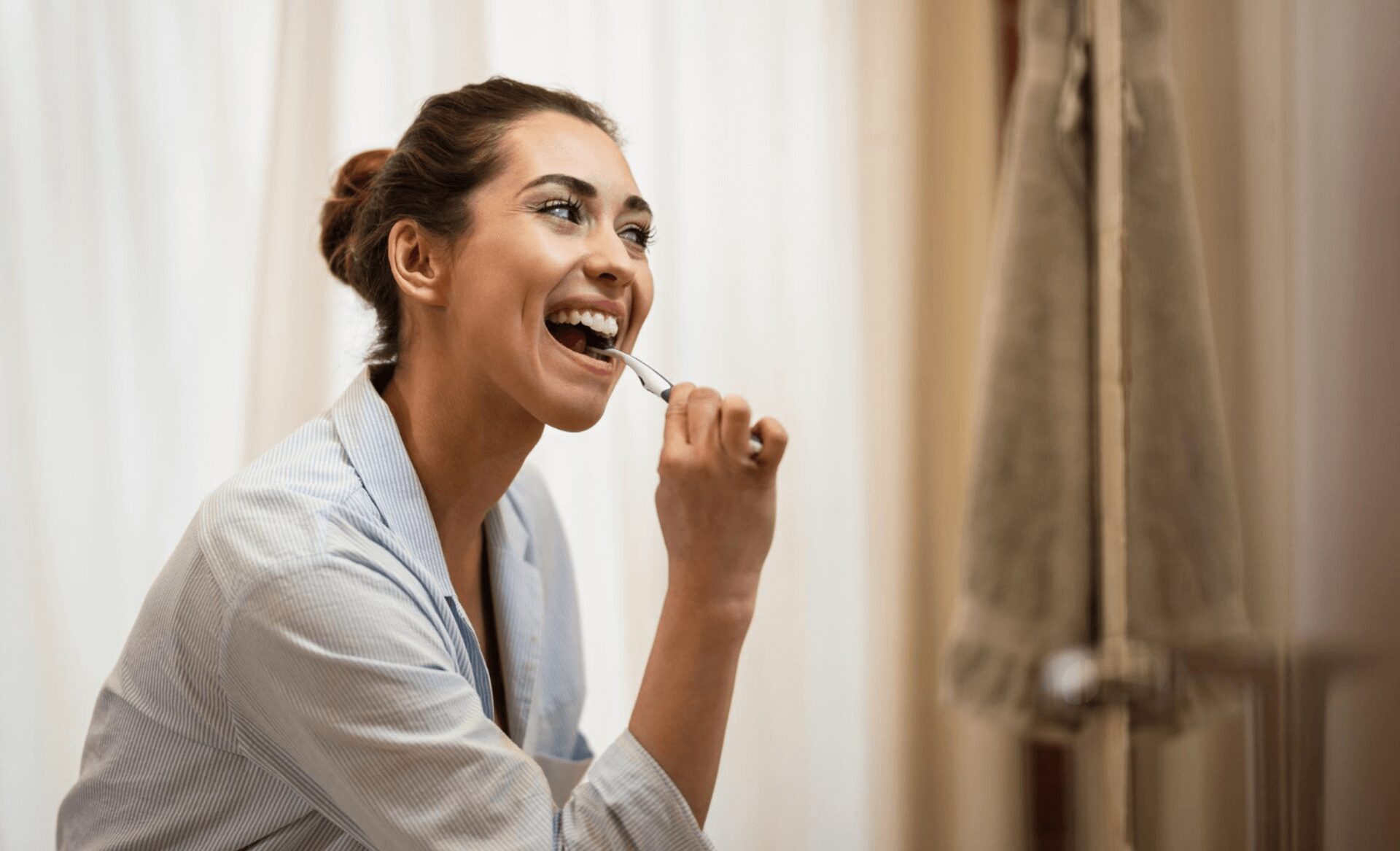
You wake up, grab your toothbrush, and start your morning routine. Fresh breath? Check. Clean teeth? Check. But as soon as you head to the kitchen, a thought pops up: “Can I eat right after brushing my teeth?”
It’s a question our dentists at Advanced Dental Care of Indiana get all the time — and for good reason. Everyone wants to keep their smile healthy, but it’s easy to overlook how the timing of brushing and eating affects your teeth. Whether you’re in a hurry to grab breakfast or sip your morning coffee, understanding how long to wait before eating can make a huge difference for your enamel and gum health.
Let’s explore what really happens in your mouth after brushing, why the timing matters, and how you can protect your smile — especially if you’re part of our dental families in Indianapolis, Anderson, Cicero or Fortville.
Should You Brush Your Teeth Before Or After Breakfast?
After brushing, your mouth feels clean and fresh — but that doesn’t mean it’s ready for food. The act of brushing, especially with fluoride toothpaste, temporarily softens the enamel surface. If you eat too soon, you can unintentionally scrub away or weaken that enamel.
Dentists generally recommend waiting at least 30 minutes before eating after brushing. Here’s why:
- Enamel recovery: Brushing removes plaque and exposes the outer enamel layer. It needs time to re-harden after contact with acids or toothpaste.
- Fluoride protection: Fluoride from toothpaste strengthens enamel, but eating too soon can wash it away before it’s fully absorbed.
- Acid balance: If you’ve had acidic drinks like coffee or juice, brushing right after can push acids deeper into your enamel.
So, while that quick bite might seem harmless, eating immediately after brushing can actually make your teeth more vulnerable over time.
Protect Your Enamel with Professional Guidance
Not sure if your brushing habits are helping or hurting your smile?
Our dental experts can evaluate your oral care routine and provide personalized advice.
📞 Call today for a consultation:
- Advanced Dental Care of Indianapolis: (317) 859-9444
- Advanced Dental Care of Anderson: (765) 622-7000
- Advanced Dental Care of Fortville: (317) 485-7000
- Advanced Dental Care of Cicero: (317) 984-3000
The Science Behind Waiting to Eat After Brushing
Let’s break down what happens inside your mouth after brushing:
-
Fluoride absorption
Fluoride in toothpaste strengthens enamel and helps prevent decay. But it takes a little time to work its magic. If you eat or drink immediately, you rinse away that protective layer.
-
pH balance restoration
Eating and drinking — especially sugary or acidic foods — lower the pH in your mouth. Brushing helps restore balance, but if you eat too quickly afterward, your mouth becomes acidic again before saliva has a chance to neutralize it.
-
Saliva’s natural protection
Your saliva is nature’s defense system. It repairs early enamel damage and washes away food particles. According to the American Dental Association waiting gives saliva enough time to rebuild those minerals that keep your teeth strong.
In short: your mouth needs a recovery period between brushing and eating.
Morning Routine Myths: Coffee, Juice, and Breakfast
If you’re like most Hoosiers, your morning routine probably includes coffee, orange juice, or a quick breakfast sandwich before rushing out the door. But have you ever noticed how coffee tastes strange right after brushing? That’s not just flavor interference — it’s chemistry.
Coffee, citrus juice, and other acidic foods soften your enamel. If you brush right before or after consuming them, you risk damaging that outer layer.
The best order:
- Eat breakfast.
- Wait 30 minutes.
- Brush your teeth before heading out.
If you prefer brushing first thing in the morning, rinse your mouth with water afterward and wait at least 30 minutes before eating or drinking.
What Dentists Recommend for Different Times of Day
Morning:
Brush after breakfast if possible. If you must brush first, rinse thoroughly and delay eating for at least half an hour.
Afternoon:
If you brush after lunch (a great habit!), avoid immediately reaching for snacks or sugary drinks. Give your mouth a short break first.
Evening:
Wait at least 30 minutes after dinner or dessert before brushing. This helps your mouth recover from acids and protects enamel while you sleep.
Consistency matters more than perfection. As long as you’re mindful of timing, you’ll significantly reduce the wear and tear on your teeth.
Personalized Dental Care for Every Routine
Whether you brush before breakfast or after dinner, your oral care should work for you.
Our team at Advanced Dental Care of Indiana offers personalized guidance to help you protect your smile every day.
📞 Schedule your appointment today:
- Indianapolis: (317) 859-9444
- Anderson: (765) 622-7000
- Fortville: (317) 485-7000
- Cicero: (317) 984-3000
Common Mistakes People Make When Eating After Brushing
Even with good intentions, small habits can undo your hard work. Here are a few common pitfalls to avoid:
1. Eating or drinking acidic foods right after brushing
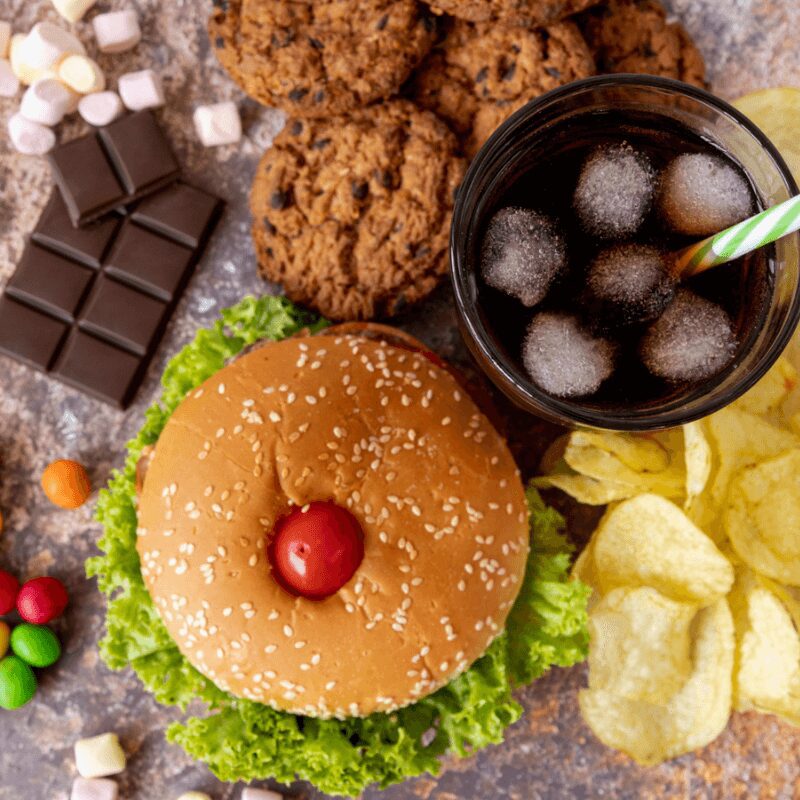
Citrus, vinegar-based dressings, and soda can erode softened enamel. Give your mouth a little recovery time first.
2. Brushing too hard
Aggressive brushing doesn’t mean cleaner teeth — it means damaged enamel and receding gums. Use gentle circular motions with a soft-bristled toothbrush.
3. Using mouthwash immediately after brushing
If you rinse with mouthwash right after brushing, you might wash away fluoride before it can strengthen your enamel. Wait at least 15–30 minutes or use fluoride mouthwash at a different time of day.
4. Snacking too frequently
Constant snacking doesn’t allow your enamel to recover. Your mouth stays acidic, which can lead to cavities and plaque buildup.
How “Eating After Brushing Teeth” Affects Enamel Over Time
When you eat right after brushing, you interrupt the remineralization process that helps strengthen enamel. Over time, this can lead to:
- Increased tooth sensitivity
- Weakened enamel and thinning edges
- Greater risk of cavities
- Gum irritation or recession
The good news? These issues are preventable with mindful timing and regular dental checkups.
Tips for Keeping Your Smile Healthy All Day
Here’s how to make your daily brushing and eating routine enamel-friendly:
- Drink water after brushing to neutralize acids and wash away food debris.
- Wait 30 minutes before eating to let fluoride do its job.
- Chew sugar-free gum to increase saliva flow and help your mouth recover faster.
- Avoid acidic foods like citrus fruits and soda immediately after brushing.
- Visit your dentist regularly for professional cleanings and personalized advice.
Small adjustments like these protect your enamel and help your smile stay healthy for years to come.
When to Talk to a Dentist About Tooth Sensitivity

If your teeth feel sensitive to hot, cold, or sweet foods, it may be a sign that your enamel is thinning. This can happen from brushing too hard, acidic diets, or — you guessed it — eating right after brushing.
At Advanced Dental Care of Indiana, we can evaluate the cause of your sensitivity, check for enamel erosion, and provide solutions like fluoride treatments, desensitizing toothpaste recommendations, or customized care plans.
📞 Call your local office to schedule your next dental exam:
- Indianapolis: (317) 859-9444
- Anderson: (765) 622-7000
- Fortville: (317) 485-7000
- Cicero: (317) 984-3000
The Role of Fluoride in Preventing Damage
Fluoride is your enamel’s best friend. When left on the teeth after brushing, it strengthens enamel, fights bacteria, and helps reverse early stages of decay. If you eat right away, that protective layer gets removed before it can work.
By giving fluoride time to absorb — even 20–30 minutes — you’re maximizing the benefits of brushing and reducing your risk of cavities.
Brushing After Eating: When It’s Actually Okay
If you prefer brushing after meals, timing still matters. Wait 30 minutes after eating, especially if you’ve had acidic or sugary foods. This gives saliva a chance to neutralize acids and prevents you from spreading them across your enamel.
For quick freshness, rinse with water or chew sugar-free gum right after eating — then brush later when it’s safe.
Small Daily Habits, Big Long-Term Impact
Brushing and eating may seem like simple parts of your day, but their timing can make or break your oral health. By waiting a short while before eating after brushing, you’re giving your enamel the best chance to stay strong and healthy.
Over time, this small change reduces sensitivity, prevents cavities, and helps your smile look brighter — naturally.

Protect Your Smile for the Long Run
Your brushing habits are the foundation of a healthy smile. Waiting just 30 minutes before eating can make a big difference in preventing enamel damage and sensitivity.
Ready to take your oral health to the next level?
Schedule a checkup with our caring dental team today:
- Advanced Dental Care of Indianapolis: (317) 859-9444
- Advanced Dental Care of Anderson: (765) 622-7000
- Advanced Dental Care of Fortville: (317) 485-7000
- Advanced Dental Care of Cicero: (317) 984-3000
Your teeth will thank you — and so will your future smile.
The 30-Minute Rule for Healthier Teeth
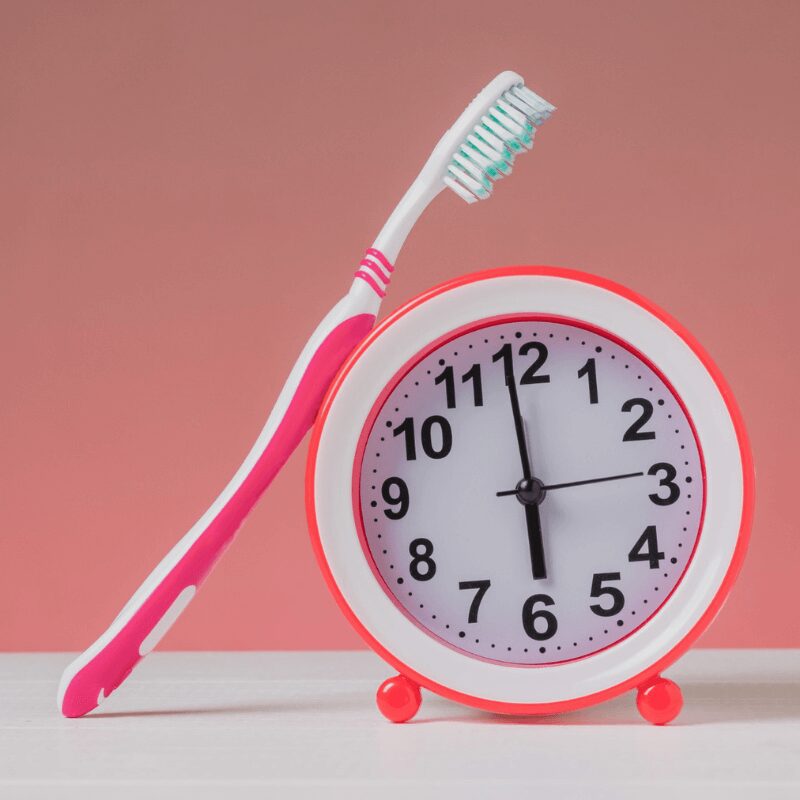
So, how long after brushing teeth can you eat? — the magic number is about 30 minutes. That short wait allows enamel to re-harden, fluoride to strengthen your teeth, and saliva to do its natural repair work.
It’s a small adjustment with big benefits — stronger enamel, fewer cavities, and better protection for your smile.
At Advanced Dental Care of Indiana, we’re here to make every part of your dental routine easier and more effective. Whether you’re in Indianapolis, Anderson, Cicero or Fortville, our team is ready to help you keep your teeth healthy and bright for life.