

If you’re seeing brown stains on your teeth and want to remove them naturally, you’re not alone. This article explains exactly how to remove brown stains from teeth naturally with easy, everyday methods. In this blog, Advanced Dental Care of Indiana will cover what causes these stains, and share effective home remedies to help restore your smile.
Key Takeaways
- Brown stains on teeth can be categorized into surface (extrinsic) and deeper (intrinsic) stains, each requiring different treatment approaches.
- Natural methods, such as using baking soda, hydrogen peroxide, and oil pulling with coconut oil, can effectively remove brown stains and promote oral health.
- Maintaining good oral hygiene, rinsing after consuming staining foods, and incorporating tooth-friendly foods can significantly reduce the risk of tooth discoloration.
Understanding Brown Stains on Teeth
Brown stains on teeth can be perplexing, but understanding their origins is the first step toward effective treatment. These stains can range in color from yellowish-brown to black-brown and can appear as irregular, blotchy patches or brown lines on the teeth.
The discoloration can result from various lifestyle factors, including the consumption of coffee, red wine, and smoking. Additionally, weakened enamel can reveal the yellowish layers beneath, contributing to a brownish appearance.
Dark brown spots on teeth can also be a concern for many individuals, especially when dealing with brown staining. Discolored teeth and brown teeth stains can further complicate the issue, including the presence of a brown spot.
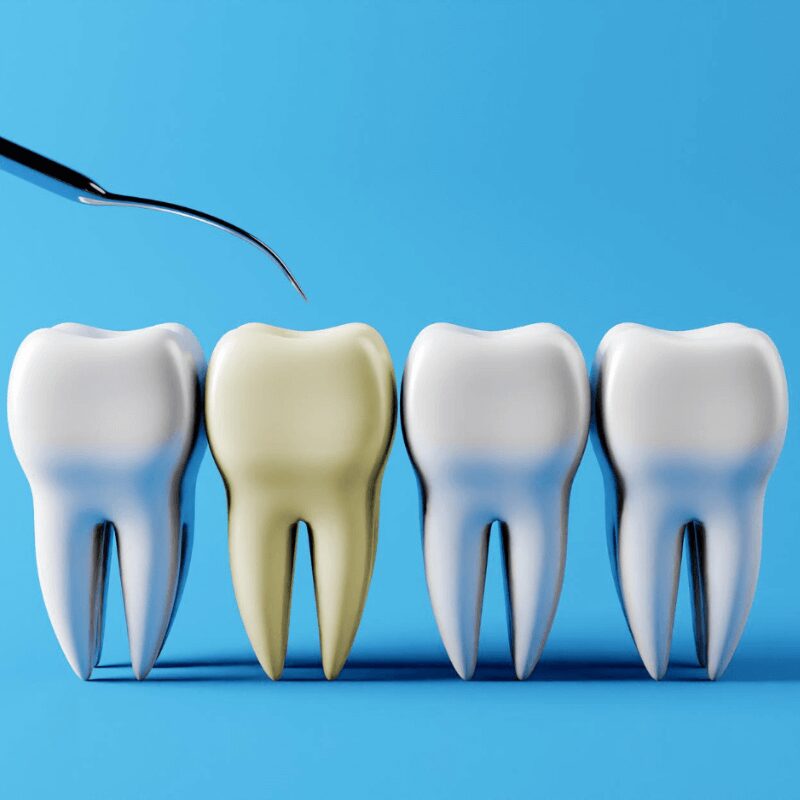
There are two main types of brown stains: surface stains (extrinsic) and deeper stains (intrinsic). Surface stains affect the outer layer of the tooth, known as enamel, while deeper stains impact the inner structure of the teeth. Understanding these distinctions is crucial for determining the best approach to remove brown stains and restore your smile.
Surface Stains (Extrinsic)
Surface stains, also known as extrinsic stains, are typically caused by external factors like dietary habits and smoking. Nicotine and chewing tobacco products are common culprits, leading to brown stains on teeth that become darker and harder to remove over time. These stains affect the enamel, appearing as yellow, brown, or even black marks on the teeth. As we age, the appearance of these teeth stains can worsen, making it even more challenging to maintain a bright smile.
To combat surface stains, using a soft-bristled toothbrush is recommended to avoid damaging the enamel while brushing. Regular brushing and proper oral hygiene can help in removing these stains and preventing new ones from forming.
Deeper Stains (Intrinsic)
Deeper stains, or intrinsic stains, are more challenging to address as they affect the inner structure of the teeth. Unlike surface stains, intrinsic stains can result from conditions such as enamel hypoplasia, where the white enamel is hard but thin, leading to chalky, white or yellowish-brown patches on the teeth. These stains often require professional medical help for effective treatment.
In cases where whitening treatments are ineffective, dental bonding or porcelain veneers may be used to camouflage the discoloration. Once tartar has formed, it can only be effectively removed by a dental professional. Regular visits to the dentist are essential for maintaining oral health. Understanding the nature of these stains is essential for seeking the right dental treatment and achieving a brighter smile.
Natural Methods to Remove Brown Stains from Teeth
Natural remedies offer a gentle and effective approach to removing brown stains from teeth. Common household ingredients such as baking soda, hydrogen peroxide, and certain fruits can help brighten teeth naturally. These methods are not only cost-effective but also easy to incorporate into your daily routine.
Here are some natural methods for removing brown stains:
- Baking soda and hydrogen peroxide
- Oil pulling with coconut oil
- Using fruits with whitening properties
- Removing stains with baking soda
Each method has its unique benefits and can contribute to a healthier, whiter smile.
Baking Soda and Hydrogen Peroxide
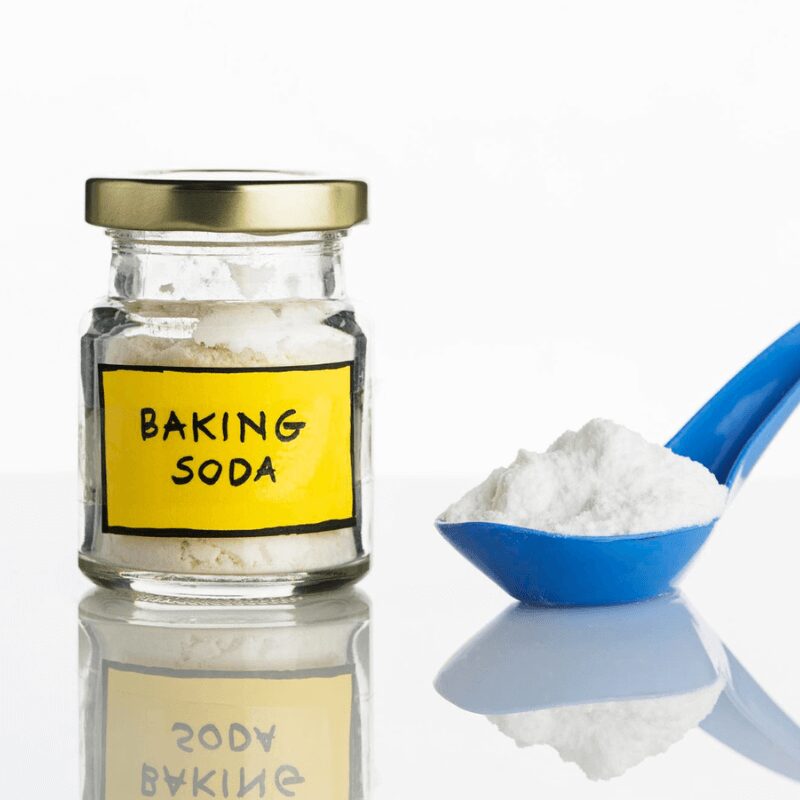
Combining baking soda and hydrogen peroxide creates a powerful paste that can effectively remove brown stains from teeth. Baking soda possesses mild abrasive properties, which help in physically scrubbing away surface stains. Hydrogen peroxide, on the other hand, provides a strong whitening effect, making it effective in lightening stained teeth.
Using this whitening toothpaste not only removes stains but also helps achieve a brighter smile and smile bright naturally. It’s a simple yet effective method that can be easily incorporated into your oral care routine.
However, it’s essential to use this paste sparingly to avoid damaging the enamel.
Oil Pulling with Coconut Oil
Oil pulling with coconut oil is an ancient practice that involves swishing oil in the mouth to improve oral health. The process works by trapping harmful bacteria and plaque in the oil, which helps in their removal from the mouth. Coconut oil is particularly effective due to its antibacterial properties, further aiding in the reduction of brown stains.
To perform oil pulling, take a tablespoon of coconut oil, swish it around in your mouth for 15-20 minutes, and then spit it out, ensuring not to swallow any. This practice can be a beneficial addition to your daily oral hygiene routine, promoting a cleaner and healthier mouth.
Using Fruits with Whitening Properties
Certain fruits contain natural enzymes that can aid in teeth whitening. For example, strawberries contain malic acid, which can naturally whiten teeth and reduce discoloration. Pineapples have bromelain, an enzyme that may aid in breaking down stains on teeth.
Incorporating strawberries and pineapples into your diet can enhance your dental care routine and promote a brighter smile. These fruits not only taste great but also offer natural whitening benefits, making them a delicious way to maintain oral health.
Brushing with Baking Soda
Brushing with baking soda is another effective method for removing surface stains. Baking soda:
- Is a mild abrasive that can help scrub away tooth discoloration and maintain enamel polish
- Helps neutralize acids in the mouth
- Reduces harmful bacteria, promoting overall oral hygiene
Regular brushing with baking soda can help in maintaining a cleaner, whiter smile. However, it’s crucial to brush gently to avoid damaging the enamel and to complement this practice with other good oral hygiene habits.
Daily Habits to Prevent Brown Stains
Daily habits play a vital role in preventing the formation of brown stains on teeth. Maintaining good oral hygiene practices, such as regular brushing, floss daily, and using fluoride toothpaste, is essential for preventing stains and keeping teeth shiny and healthy.
In addition to good oral hygiene, other habits such as rinsing after consuming staining foods or drinks and eating crunchy fruits and vegetables can also help in preventing tooth discoloration. Let’s delve into these habits and understand their benefits in detail.
Maintaining Good Oral Hygiene
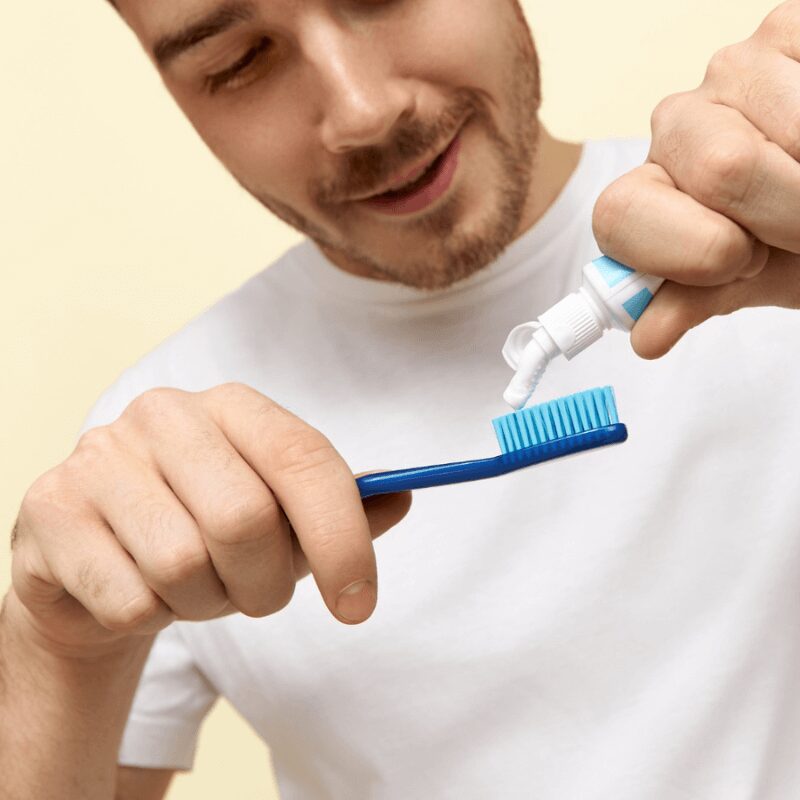
Good oral hygiene is crucial for preventing tooth decay and discoloration. Practicing good oral hygiene, along with regular brushing and flossing, prevents plaque buildup and tartar formation. Using fluoride toothpaste helps minimize tooth discoloration and strengthens enamel, while poor oral hygiene can lead to serious dental issues.
Dairy products and foods high in calcium and phosphorus, such as nuts and green vegetables, support tooth enamel strength and overall oral health. Incorporating these habits into your daily routine can help maintain a healthy and bright smile.
Rinsing After Consuming Staining Foods or Drinks
Rinsing the mouth with water after consuming staining foods or drinks is essential to prevent tooth discoloration. Drinking beverages like tea and coffee contain tannins that can lead to staining of teeth. Rinsing immediately after consuming these substances can help minimize their impact on tooth color.
This simple habit can go a long way in maintaining the whiteness of your teeth and preventing further discoloration. It’s a practical and easy-to-follow step that can be incorporated into your daily routine.
Eating Crunchy Fruits and Vegetables
Incorporating crunchy fruits and vegetables into your diet is beneficial for maintaining oral health. Fruits and vegetables with high water content, like apples and cucumbers, can help clean teeth naturally while promoting hydration.
These foods not only help in mechanically cleaning teeth during chewing but also stimulate saliva production, which reduces bacteria and maintains oral hygiene. Adding these healthy snacks to your diet can contribute significantly to a brighter smile.
When Natural Remedies Aren’t Enough

While natural remedies can be highly effective, they may not always be sufficient for removing stubborn stains. Tooth discoloration may be due to tartar or other medical conditions. In such cases, visiting a dentist could be essential. In-depth or stubborn stains often require professional dental treatments for effective removal of tooth stains.
Recognize when natural methods aren’t enough and seek expert assistance to address deep stains and maintain oral health. Let’s explore how to identify these stubborn stains and the professional treatments available.
Recognizing Stubborn Stains
Stubborn stains that do not respond to typical at-home whitening methods may indicate deeper issues requiring professional evaluation. Intrinsic stains can arise from dental trauma or certain medications affecting the inner structure of teeth. Recognizing these stains early can help in seeking timely professional intervention and preventing further discoloration.
Pay attention to the persistence and nature of the stain to determine the best course of action to remove stains.
Professional Dental Treatments
Professional dental treatments are often necessary for removing stubborn brown stains that natural remedies cannot address. Dentists offer both in-office and at-home whitening treatments that use stronger concentrations of active ingredients than those available for home use, including some over the counter products. Most professional whitening treatments specifically target surface stains. These extrinsic stains are where these treatments show the most effectiveness, often performed at a dentist’s office.
For severe discoloration, dental crowns or porcelain veneers may be recommended to restore the appearance and function of teeth. Regular dental check-ups and professional cleanings are essential for maintaining oral health and preventing further discoloration and surface discoloration.
Achieve a Brighter Smile!
Inquire about our whitening and cleaning treatments available at all our dental clinics.
Our Locations:
- Indianapolis: (317) 859-9444
- Anderson: (765) 622-7000
- Fortville: (317) 485-7000
- Cicero: (317) 984-3000
The Role of Diet in Tooth Discoloration
Diet plays a significant role in tooth discoloration affects. Foods and beverages like coffee, tea, and red wine are known to cause staining on teeth. Effective oral care routines can significantly reduce the risk of tooth discoloration.
Incorporating tooth-friendly foods and avoiding staining foods can help maintain a bright smile. Let’s explore how diet affects tooth color and the steps you can take to minimize discoloration.
Avoiding Staining Foods and Beverages
Many foods and beverages are known to cause extrinsic stains on teeth. Common staining foods include:
- Dark-colored fruits
- Sauces
- Coffee
- Tea
- Red wine

Consuming these foods and drinks with care and rinsing your mouth afterward can help reduce their staining effects.
Being mindful of your diet and taking preventive measures can go a long way in maintaining the whiteness of your teeth. It’s all about balance and making informed choices to protect your smile and develop healthy lifestyle habits.
Incorporating Tooth-Friendly Foods
Foods rich in calcium, such as milk and cheese, can help strengthen tooth enamel and support dental cavities and dental health. Incorporating these tooth-friendly foods into your diet is essential for maintaining oral health and achieving a bright smile.
Examples of tooth-friendly foods rich in calcium include dairy products like yogurt, leafy greens like kale, and fortified plant-based milks. Including these foods consistently in your diet can lead to improved oral health and help maintain that bright, healthy smile.
Summary
Brown stains on teeth can be a common and frustrating issue, but understanding their causes and implementing effective natural remedies can make a significant difference. From using baking soda and hydrogen peroxide to oil pulling with coconut oil and incorporating tooth-friendly fruits, there are numerous ways to naturally brighten your smile. Maintaining good oral hygiene and adopting preventive habits, such as rinsing after consuming staining foods and eating crunchy fruits and vegetables, are essential steps in preventing further discoloration.
When natural remedies fall short, recognizing the need for professional dental treatments is crucial. Dentists at Advanced Dental Care of Indiana recommend professional whitening treatments, veneers, and dental crowns as effective solutions for stubborn stains, ensuring that your smile remains bright and healthy. By combining these approaches, you can effectively tackle brown stains and enjoy a radiant smile.
👉 Want a brighter smile? Ask about whitening and cleaning treatments at:
- Advanced Dental Care of Indianapolis Office: (317) 859-9444
- Advanced Dental Care of Anderson Office: (765) 622-7000
- Advanced Dental Care of Fortville Office: (317) 485-7000
- Advanced Dental Care of Cicero Office: (317) 984-3000
Frequently Asked Questions
To prevent tooth discoloration, it is advisable to avoid dark-colored foods and beverages, including coffee, tea, red wine, and certain sauces. Additionally, rinsing your mouth after consuming these items can help reduce staining.
You should seek professional dental treatment for brown stains if natural methods fail to remove deep or stubborn discoloration, especially in cases of intrinsic stains, which typically require expert intervention for effective treatment.
To prevent brown stains on your teeth, maintain good oral hygiene, rinse your mouth after consuming staining foods or drinks, and include crunchy fruits and vegetables in your diet. These practices will help keep your teeth healthier and brighter.
Natural remedies, such as baking soda, hydrogen peroxide, and oil pulling with coconut oil, can effectively remove brown stains from teeth. Incorporating these methods can help brighten your smile.
Brown stains on teeth are primarily caused by the consumption of stain-inducing substances such as coffee and red wine, smoking, and inadequate oral hygiene. Additionally, weakened enamel and certain medical conditions may further exacerbate the discoloration.