
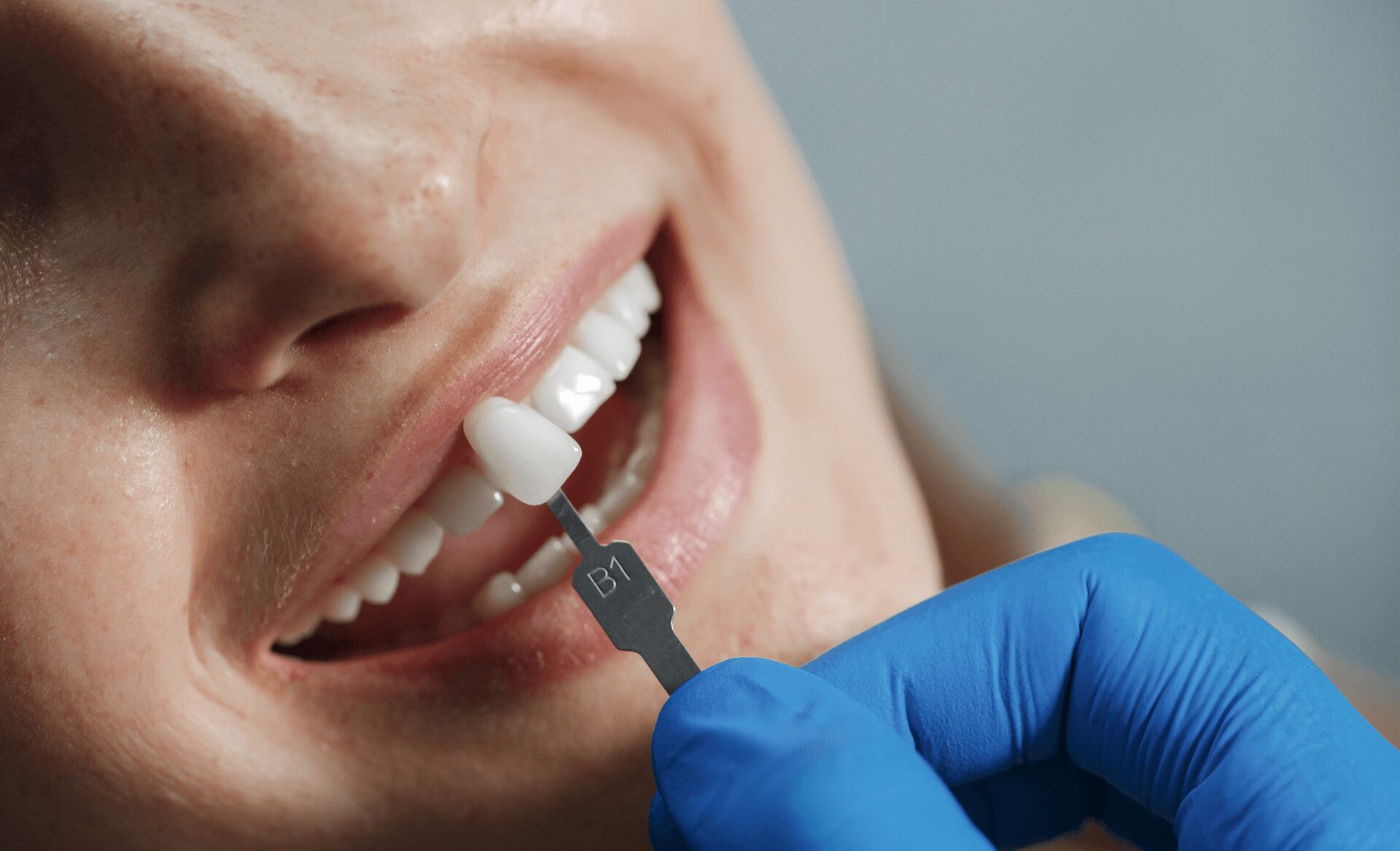
If you’ve just had (or been told you need) a root canal, the next big question usually is:
“What is the best material for a crown tooth?”
You want something strong, aesthetically pleasing, and long‑lasting—especially if it’s going on a root canal–treated tooth or a tooth that’s been badly cracked or broken.
At Advanced Dental Care of Indiana, we place crowns every day for patients in Anderson, Fortville, Indianapolis, and Cicero. Our goal is simple: crowns that look like natural teeth and last for many years, not something that screams “I had dental work done.”
This blog will walk you through the different crown materials, when each shines, and how we help you choose the best option for your tooth.
Why You Need a Crown After a Root Canal or Big Fracture
A crown isn’t just a cosmetic upgrade. It’s usually recommended when:
- A tooth has had a root canal
- A large chunk of the tooth is broken or missing
- There’s a huge filling and not much natural tooth left
- You have cracks that are causing pain when you bite
- You’ve had a big cavity that weakened the tooth
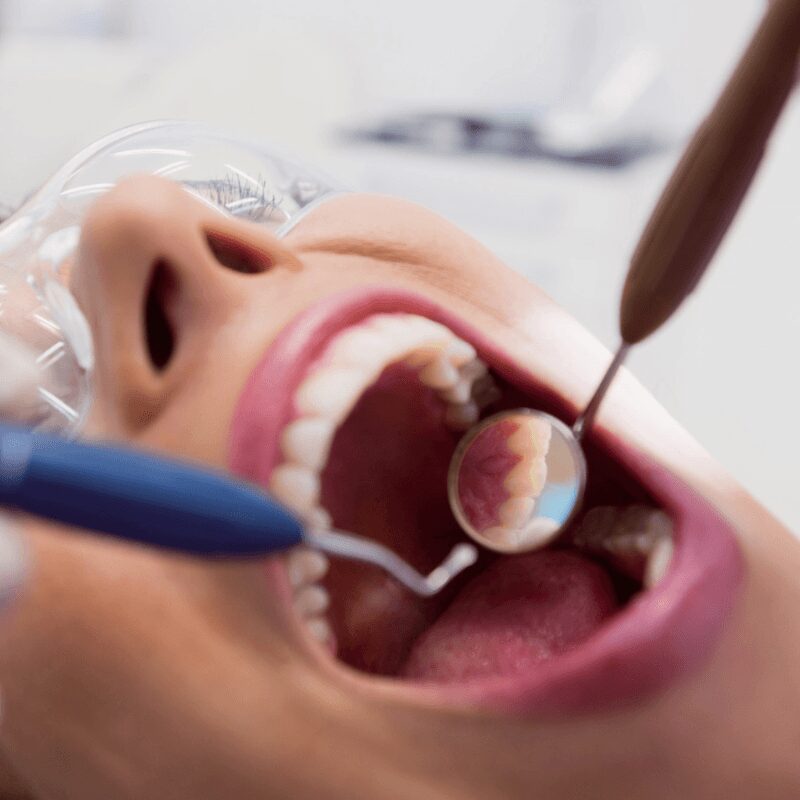
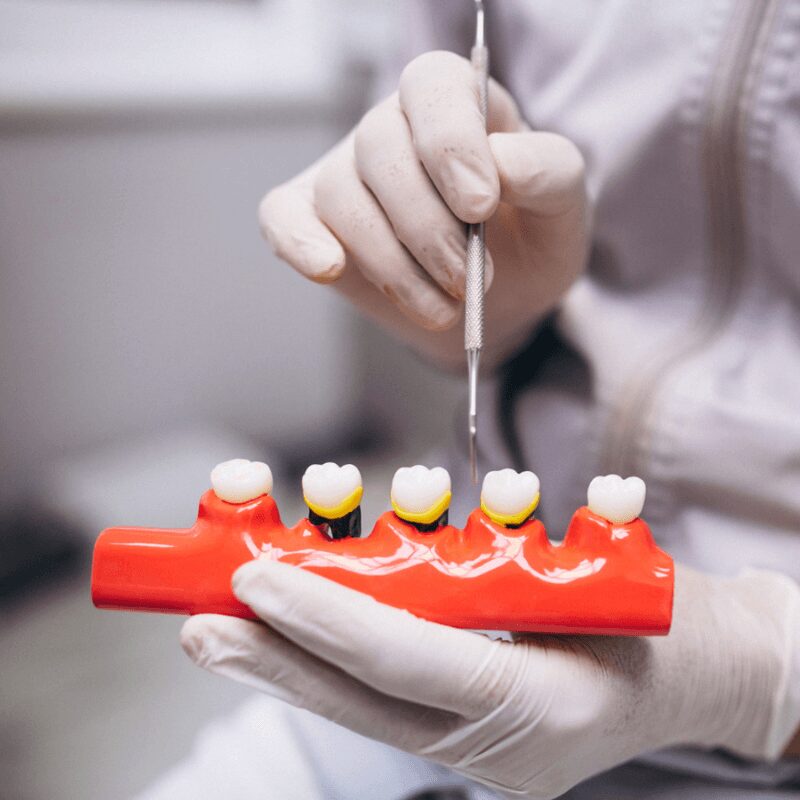
Root canal–treated teeth and heavily restored teeth are more likely to crack under chewing pressure. A crown acts like a custom-made helmet, wrapping and protecting what’s left of the tooth so you can bite, chew, and smile with confidence.
So choosing the right material isn’t just about shade. It’s about strength, durability, and appearance working together.
What Makes a “Best” Crown Material?
When patients ask, “What is the best material for a crown tooth?” what they usually mean is:
- Will it last?
- Will it look natural?
- Will it hold up to chewing?
- Will it be safe for my gums and body?
- Will it fit my budget?
There is no single “best” material for every tooth and every patient. But there is usually a best choice for your specific situation based on:
- Where the tooth is (front vs back)
- How hard you bite or if you grind your teeth
- How much natural tooth is left
- Whether the tooth had a root canal
- Your cosmetic goals
- Your insurance and budget
Let’s look at the main materials your dentist may recommend.
1. All‑Porcelain (Ceramic) Crowns
Best for: Front teeth, highly visible areas, cosmetic‑focused patients
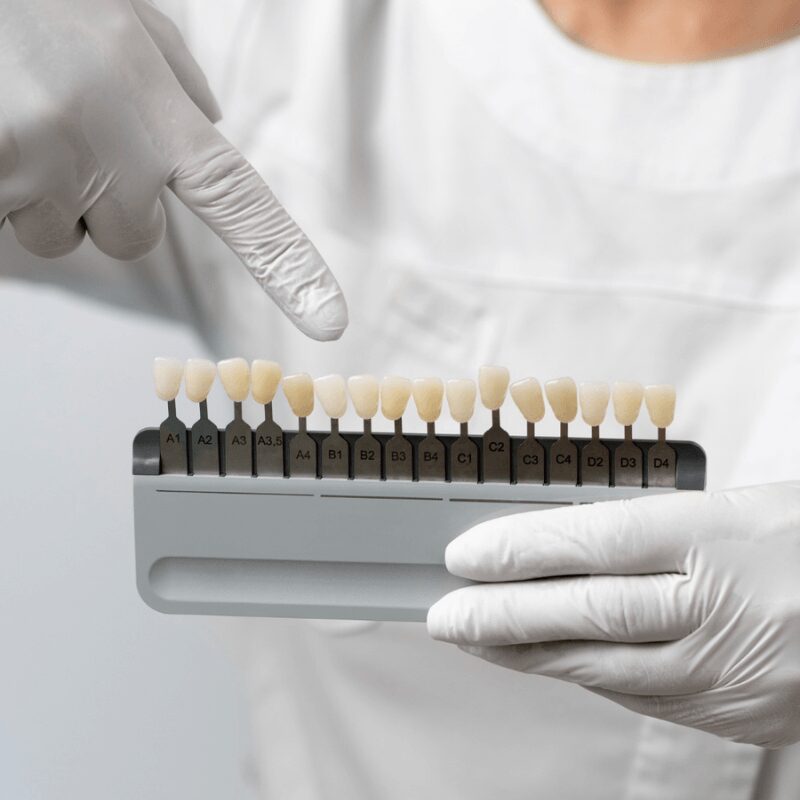
All‑porcelain (ceramic) crowns are designed to look almost identical to natural enamel. They’re metal‑free and can be shaded and layered so they blend beautifully with neighboring teeth.
Pros:
- Excellent aesthetics – great for front teeth
- No dark metal line at the gumline
- Metal‑free (good for those avoiding metal)
Cons:
- Not quite as strong as zirconia or some metal‑based options on very heavy biters
- May chip if you grind teeth or chew very hard foods
At Advanced Dental Care of Indiana, all‑porcelain crowns are a popular choice when we’re restoring a front tooth after root canal treatment and want the crown to virtually disappear in your smile.
2. Porcelain‑Fused‑to‑Metal (PFM) Crowns
Best for: Back teeth, or when you need a balance of strength + esthetics
Porcelain‑fused‑to‑metal crowns have a metal base covered with tooth‑colored porcelain. Think of it as a strong metal core with a natural‑looking porcelain shell on top.
They’ve been used for decades and are still considered highly reliable—many studies show excellent long‑term success rates.
Pros:
- Strong and durable
- Good for molars and premolars
- Can look very natural when done well
- Great balance of strength and appearance
Cons:
- If gums recede over time, a thin dark line may show at the edge
- A little less “lifelike” than top‑tier all‑ceramic options in the very front of the mouth
At Advanced Dental Care of Indiana, we often use porcelain on gold or high‑grade metal for cases where the bite forces are strong or damage is severe, and we still want the crown to look like a natural tooth.
3. Zirconia Crowns
Best for: Back teeth, heavy biters, people who want strength above all
Zirconia is a modern ceramic that’s incredibly strong—much stronger than traditional porcelain alone. It’s often used for molars, where chewing forces are highest.
Pros:
- Extremely strong and fracture‑resistant
- Great for molars, grinding, and clenching
- Can be made tooth‑colored and more natural‑looking than old‑style metals
Cons:
- Older zirconia crowns were more opaque and less lifelike; newer types are better but may still not match the translucency of top cosmetic ceramics in the very front teeth
- Slightly more technique‑sensitive for matching exact shade in some cases
If you’ve had a root canal on a back tooth or have a history of cracking teeth, zirconia may be one of the best crown materials to consider.
4. Lithium Disilicate (e.max‑Type) Crowns
Best for: Front teeth and premolars where you want “magazine cover” esthetics
Lithium disilicate is a type of high‑strength glass‑ceramic. One well‑known brand is IPS e.max. These crowns are known for their beautiful translucency and very natural appearance, while still being strong enough for many front and premolar teeth.
Pros:
- Exceptional cosmetic results
- Great for smile zone (front teeth)
- Stronger than older porcelain systems
Cons:
- Not usually the top choice for your very back molars if you have a heavy bite or grinding habit
- Often a bit more of a “premium” option
5. Full Metal (Gold or Metal Alloy) Crowns
Best for: Back molars in patients who prioritize durability over appearance
Full metal crowns (often gold or other high‑noble alloys) have been used successfully for many decades. They’re less common today mainly because of cosmetics—but they’re workhorses in terms of strength and wear.
Pros:
- Extremely durable
- Gentle on opposing teeth
- Require minimal removal of tooth structure
Cons:
- Metallic appearance (not ideal in visible areas)
- Many patients prefer tooth‑colored options
These can be a great choice for certain back teeth where appearance doesn’t matter and maximum longevity does.
So… What Is the Best Material for a Crown Tooth?
The honest answer:
The best material for a crown tooth depends on where the tooth is, how you use it, and what your goals are.
Here’s a simple way to think about it:
For Front Teeth (Smile Zone)
- Top priorities: Natural look, shade match, translucency
- Often recommended:
- All‑porcelain / all‑ceramic
- Lithium disilicate (e.max‑type)
- Sometimes considered: Zirconia (newer, more translucent versions)
For Back Molars
- Top priorities: Strength, durability
- Often recommended:
- Zirconia
- Porcelain‑fused‑to‑metal (PFM)
- Full metal (in select cases)
For Root Canal–Treated Teeth
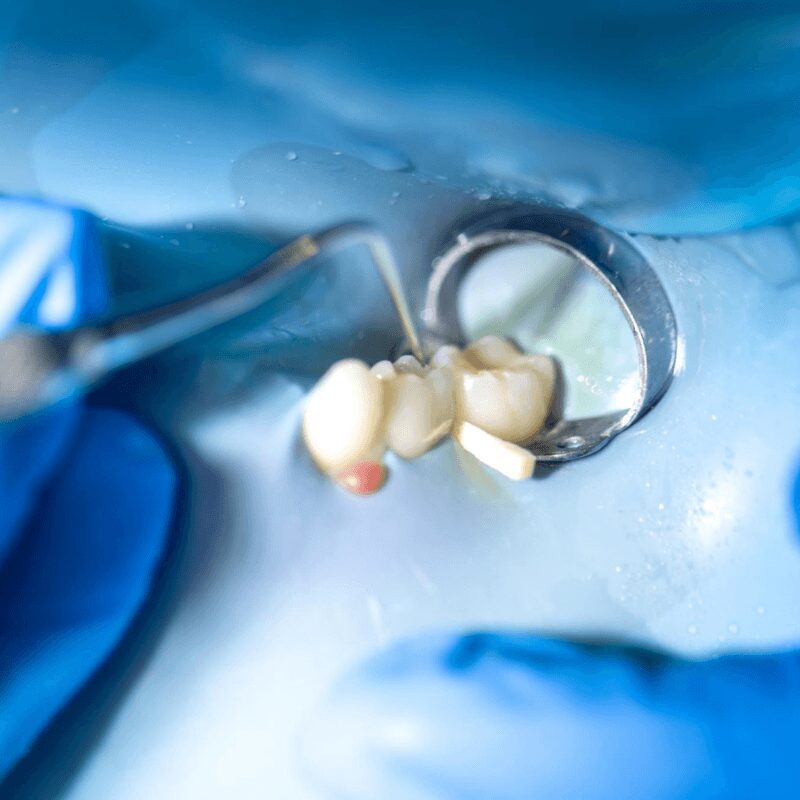
- Top priorities: Protection from cracking, long‑term stability
- Often recommended:
- Zirconia or PFM for back teeth
- All‑ceramic or lithium disilicate for front teeth, if enough structure and bite conditions allow
Your dentist will also consider:
- How your teeth come together when you bite
- Whether you grind or clench
- Gum position and smile line
- Any metal allergies or sensitivities
- Your budget and insurance coverage
How Advanced Dental Care of Indiana Helps You Choose
You don’t have to research dental materials like a dental student—that’s our job.
During your visit, we will:
1. Examine and image the tooth
-
- Check for cracks, previous fillings, and remaining tooth structure
2. Review your bite and habits
-
- Grinding, clenching, or nail‑biting can influence material choices
3. Ask about your priorities
-
- Is this tooth in your smile line? Are you most concerned with esthetics, durability, or both?
4. Explain 1–2 best options for your situation
-
- “Here’s what we’d recommend for you and why.”
5. Outline costs and steps clearly
-
- Including any needed root canal, buildup, or imaging
At Advanced Dental Care of Indiana, we regularly use high‑grade porcelain and porcelain bonded to metal or gold to combine strength with a natural appearance, designed to last many years with good care.
📣 Ready to Talk About the Best Crown Material for Your Tooth?
If you’ve had a root canal, a cracked tooth, or a large broken filling, now is the perfect time to protect your tooth with the right crown.
📞 Call the location nearest you:
- Anderson: (765) 622‑7000
- Fortville: (317) 485‑7000
- Indianapolis: (317) 926‑5200
- Cicero: (317) 984‑3000
Or request an appointment online anytime through the Advanced Dental Care of Indiana website.
What to Expect When Getting a Crown
No matter which material you choose, the basic process is similar:
1.Tooth Preparation
- The dentist shapes the tooth to make room for the crown and remove any weak or decayed areas.
- If you’ve had a root canal, a core buildup may be placed to reinforce the tooth.
2. Impression or Digital Scan
- A mold or digital scan of your teeth is taken to design a custom, precise crown.
3. Temporary Crown
- A temporary crown protects the tooth while the lab fabricates your permanent one.
4. Lab Fabrication
- A high‑quality dental lab creates your crown in the chosen material and shade.
5. Crown Placement
- The dentist checks the fit, bite, and appearance.
- Once everything looks and feels right, the crown is permanently bonded.
With proper brushing, flossing, and regular checkups, high‑quality crowns can often last many years—and in many cases, 10–20+ years.
Final Thoughts: Strong, Beautiful, and Built to Last
When you’re searching “what is the best material for a crown tooth,” what you’re really looking for is peace of mind:
A tooth that won’t break, a smile that looks natural, and treatment that feels worth the investment.
There’s no one-size-fits-all crown material, but there is a best solution for your tooth, your bite, and your goals.
At Advanced Dental Care of Indiana, we’d be happy to walk you through your options in person, show you examples, and help you choose a crown that checks all the boxes: strong, attractive, and long‑lasting.
📞 Schedule your crown consultation today:

- Anderson: (765) 622‑7000
- Fortville: (317) 485‑7000
- Indianapolis: (317) 926‑5200
- Cicero: (317) 984‑3000
Your tooth has already been through a lot. Let’s give it the protection—and the smile— it deserves.