

If your teeth suddenly look longer, cold drinks sting near the gumline, or brushing leaves you with bleeding gums, it is easy to feel alarmed. Many patients in the Indianapolis area notice these changes gradually. At first, it may seem cosmetic. Then the sensitivity starts. Or the gums keep bleeding. Or the tooth roots begin to show. That is usually when the question becomes much more urgent: How serious are receding gums, and how do I fix them?
The short answer is that receding gums should not be ignored. Gum recession can expose more of the tooth, make teeth feel sensitive, and sometimes point to underlying gum disease. The National Institute of Dental and Craniofacial Research (NIDCR) says gum disease can cause gums to pull away from the teeth, make teeth appear longer, and lead to loose or sensitive teeth, pain while chewing, and persistent bad breath if it progresses.
The good news is that early evaluation can make a major difference. Advanced Dental Care of Indiana offers periodontal gum disease treatment and serves patients in Indianapolis, Anderson, Fortville, and Cicero, so if you are in the Indianapolis area and worried about gum recession, you do not have to keep guessing.
What are receding gums?
Receding gums occur when the gum tissue moves lower on the tooth, exposing more of the tooth surface and sometimes the root. Patients often describe this by saying, “my teeth look longer than they used to.” This description is actually very accurate; gums affected by gum disease may pull away from the teeth, making them appear longer. Advanced Dental Care of Indiana also lists “gums that recede, or shrink, and make the teeth appear longer” as a common symptom of periodontal disease.
This matters because the root surface is more vulnerable than enamel. Once that area is exposed, you may notice cold sensitivity, tenderness while brushing, notches near the gumline, or a greater tendency for plaque and tartar to collect around those teeth. Additionally, people with gum disease may develop loose or sensitive teeth and pain while chewing.
In other words, gum recession is not just a cosmetic issue. It can affect comfort, oral hygiene, and long-term tooth support.
Common signs of gum recession
Sometimes gum recession is obvious. Sometimes it is much more subtle. Many people do not notice it until they compare old photos or feel a sudden change in sensitivity.
Here are some of the most common signs:
- teeth that look longer than they used to
- roots that seem more exposed near the gumline
- red, puffy, or bleeding gums
- cold sensitivity or tenderness
- bad breath or a foul taste
- loose or shifting teeth in more advanced cases
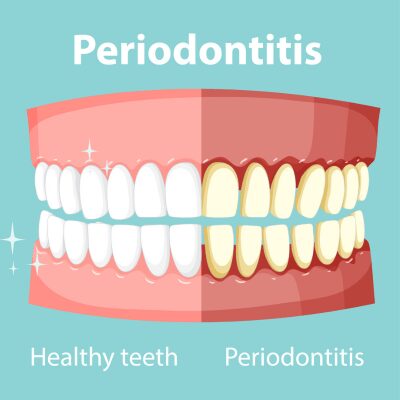
These warning signs align closely with both the American Dental Association’s (ADA) gum disease guidance and Advanced Dental Care of Indiana’s periodontal treatment. The ADA lists red, swollen, tender, or bleeding gums; gums pulling away from the teeth; loose or sensitive teeth; pain while chewing; and persistent bad breath. Advanced Indiana similarly notes red, puffy, or bleeding gums, foul odor or taste, loose or shifting teeth, and gums that recede or shrink.
If several of those symptoms sound familiar, it is worth booking an evaluation rather than waiting to see whether it settles down on its own.
What causes receding gums?
There is not just one cause. But for many adults, especially adults who have not had consistent preventive care, the biggest issue is gum disease.
Periodontal disease is an infection that targets the tissues supporting your teeth. This condition often stems from the accumulation of plaque, which, if not effectively cleared away, solidifies into tartar. Once tartar has developed, it can only be successfully removed through a professional cleaning performed by a dental hygienist or dentist.
That is why receding gums and gum disease are so closely linked. As plaque, tartar, and bacteria stay around the gums, the gums become inflamed. Over time, they can pull away from the teeth and deeper pockets can form. NIDCR says healthy pockets are usually between 1 and 3 millimeters, and deeper pockets can be a sign of periodontal disease.
Other important risk factors include smoking, diabetes, hormonal changes, and genetics. NIDCR specifically identifies smoking as the most significant risk factor and notes that smoking can also make gum disease treatment less successful.
Advanced Dental Care of Indiana also explains the disease process in simple terms: gingivitis is the root of periodontal disease, and the bacteria cause the gums to become inflamed and bleed.
So when patients ask about the cause of gum recession, the most honest answer is usually this: the visible recession may be what you see, but the bigger issue is often inflammation and infection around the gums.
Can you fix receding gums at home?
This is one of the biggest questions patients ask, and it makes sense. If you notice recession early, you naturally want to know whether a softer toothbrush, better flossing, or a new toothpaste can fix it.
Home care absolutely matters, but it is not a substitute for professional treatment.
NIDCR says the goal of gum disease treatment is to control the infection, and any type of treatment requires good daily care at home. It also recommends brushing twice a day with fluoride toothpaste, flossing regularly, visiting the dentist routinely for a professional cleaning, and quitting smoking.
That means good habits help stop things from getting worse. They are essential. But if your gums have already receded because of tartar, deeper pockets, or established periodontal disease, home care alone usually is not the full solution. Treatment depends on how severe the disease is; if it is caught early and the supporting structures under the teeth have not been damaged, a professional cleaning may be all that is needed.
That is an important distinction. If the recession is early and the cause is caught quickly, treatment may stay relatively simple. If it is ignored, the treatment plan often becomes more involved.
How to stop receding gums from getting worse
If you are actively noticing recession now, the most practical goal is to protect the gums and teeth you still have.
A smart early plan usually includes:
- booking a periodontal evaluation
- improving plaque control at home
- staying current with professional cleanings
- quitting smoking if you smoke
- following the treatment plan your dentist recommends
These actions are based on established clinical protocols and correspond to the preventive recommendations provided by the NIDCR and the periodontal maintenance strategies utilized by Advanced Indiana. To prevent the recurrence of gum disease, we advise consistent maintenance after initial treatment, which involves routine professional cleanings, daily brushing and flossing, and smoking cessation. During these follow-up appointments, dental professionals perform thorough gum evaluations and remove any newly formed plaque or tartar.
So if you have been searching how to fix receding gums, the most accurate answer is not a miracle product. It is getting the cause identified early, treating inflammation or gum disease promptly, and staying consistent with maintenance.
What receding gums treatment looks like
Treatment depends on why the gums are receding and how much support the tooth has already lost.
1. Professional cleaning for early disease

If recession is tied to early inflammation and no major damage has happened beneath the gums, a professional dental cleaning may be enough. Dentists at Advanced Dental Care of Indiana say that when periodontal disease is caught early and no damage has been done to the supporting structures under the teeth, a professional cleaning may be all that is needed.
This is one reason early diagnosis matters so much. At this stage, the goal is to remove plaque and tartar, calm the gums, and help you return to a healthier maintenance routine before the problem progresses.
2. Periodontal treatment when infection is deeper
If deeper pockets are identified and your gums have begun to pull away, your dentist might suggest periodontal therapy as an alternative to a standard cleaning. Because deep pockets are often an indicator of periodontal disease, X-rays are frequently utilized to evaluate if bone loss has occurred.
This is where receding gums treatment becomes more than preventive care. The purpose is to control infection, reduce pocket depth, and protect the tissues that support your teeth.
If your teeth look longer, your gums bleed, or cold drinks suddenly hurt near the gumline, book a periodontal evaluation at Advanced Dental Care of Indiana. We serve patients in Indianapolis, Anderson, Fortville, and Cicero.
Call us
Indianapolis: (317) 926-5200, Anderson: (765) 622-7000, Fortville: (317) 485-7000, and Cicero: (317) 984-3000.
3. Ongoing maintenance after treatment
Many patients assume treatment ends after the first cleaning or periodontal therapy visit. It usually does not.
Patients need ongoing maintenance therapy after periodontal treatment to help prevent recurrence. During those visits, the dentist checks the gums, checks the bite, and removes new plaque and tartar. The frequency depends on how controlled the gum disease is.
That matters because gum recession and gum disease are not “one and done” problems. They often require monitoring, not just a single appointment.
4. Referral for additional treatment options when needed
NIDCR notes that a dental professional may refer a patient to a periodontist, a specialist in diagnosing and treating gum disease, if additional treatment options are needed.
That is important for more advanced cases, where the goal may be not only to stop active disease but also to stabilize exposed roots, protect vulnerable teeth, and preserve bone and gum support over the long term.
So when patients search gum recession treatment, the answer is not one universal procedure. The right option depends on the stage of the problem.
Do I have gum disease or just sensitive gums?
This is a fair question, because not every sensitive tooth means gum disease.
But when sensitivity comes with bleeding gums, tartar buildup, bad breath, gumline changes, or teeth that seem longer than before, the odds of a gum issue go up significantly. NIDCR and Advanced Indiana both list those symptoms as common warning signs of periodontal disease.
The only reliable way to tell is with an exam. NIDCR says diagnosis includes:
- checking the gums for inflammation
- measuring pockets with a probe
- reviewing risk factors such as smoking or diabetes
- taking X-rays to look for bone loss when needed
That is why “wait and see” is rarely the best long-term strategy for gum recession. A simple exam can tell you whether you need a routine cleaning, periodontal treatment, or just closer monitoring.
Why Indianapolis-area patients should get evaluated early
For patients around Indianapolis, one of the biggest advantages of getting checked early is convenience. Gum issues often need follow-up. They may require maintenance. And if recession is part of a bigger periodontal problem, local care makes that much easier to manage.
Advanced Dental Care of Indiana currently lists offices in:
- Indianapolis
- Anderson
- Fortville
- Cicero
For Indianapolis-area patients especially, that means you can get diagnosed, treated, and maintained locally rather than waiting until the problem becomes painful or more expensive.

Advanced Indiana already offers periodontal and gum disease treatments, routine examinations, and preventive care under one practice umbrella.
When should you see a dentist for receding gums?
You should not wait until the tooth feels loose.
A dental visit is a smart move if:
- your teeth look longer than they used to
- you see root exposure
- brushing causes frequent bleeding
- cold air, drinks, or sweets cause gumline sensitivity
- your gums stay red or puffy
- your breath has a persistent bad taste or odor
- it has been more than six months since your last exam or cleaning
If gum disease is left to progress, it can reach a stage where chewing is painful and teeth become loose or eventually require extraction. We stress that intervention is most effective when performed early, before significant harm occurs to the tissues connecting your teeth to the bone.
If you are noticing early symptoms today, it is the ideal time to take action.
Worried about receding gums treatment in Indianapolis? Don’t wait for sensitivity, bleeding, or loose teeth to get worse. Schedule a periodontal evaluation with Advanced Dental Care of Indiana in Indianapolis: (317) 926-5200, Anderson: (765) 622-7000, Fortville: (317) 485-7000, and Cicero: (317) 984-3000.
Final thoughts
While receding gums are a frequent occurrence, they should never be viewed as benign. Depending on the severity, the issue might be resolved with professional cleanings and improved hygiene if detected early. However, gum recession often indicates a deeper infection necessitating specialized periodontal intervention. Treatment strategies vary based on the extent of the condition, and consistent maintenance remains vital following any procedure.
Avoiding self-diagnosis is critical; instead, seek a professional evaluation while options remain conservative and outcomes are more certain. Guidelines from the NIDCR and ADA emphasize that the accumulation of plaque and tartar can progress to gum disease, characterized by the formation of deep pockets. Maintaining oral health requires routine professional monitoring to protect both the gums and the teeth.
For residents in the Indianapolis area, the objective is clear: prioritize early detection to manage inflammation, safeguard tooth roots, and ensure lasting dental support. This process begins with a comprehensive clinical examination.
For an Indianapolis-area patient, the goal is straightforward: protect the roots, control inflammation, and keep your teeth supported for the long run. That starts with an exam. So schedule your appointment today.