

That dull ache at the very back of your mouth has a way of taking over your whole day. Maybe it comes and goes. Maybe it’s keeping you up at night, or making it hard to chew on one side.
Either way, wisdom tooth pain is one of the most common reasons people reach out to us—and the good news is, you don’t have to just live with it.
At Advanced Dental Care of Indiana, we’ve helped families across Anderson, Fortville, Indianapolis, and Cicero get to the bottom of tooth pain for over 25 years. In this guide, we’ll explain what causes wisdom tooth pain, how to ease it at home, and how to know when it’s finally time to have a wisdom tooth removed.
What Causes Wisdom Tooth Pain?
Your wisdom teeth are the four molars at the very back corners of your mouth. They’re the last teeth to come in, usually in your late teens or early twenties.
The trouble is, most mouths simply don’t have enough room for them. When there isn’t space, these teeth can’t come in the way they should—and that’s when wisdom teeth pain tends to start.
Here are the most common reasons it happens:
- Impaction. The tooth is stuck under the gum or bone and can’t break through fully.
- Partial eruption. The tooth pokes through only part way, leaving a flap of gum that traps food and bacteria. This can lead to a painful infection called pericoronitis.
- Pressure and crowding. A wisdom tooth pushing against the tooth next to it can cause aching and soreness.
- Decay. Because they sit so far back, wisdom teeth are hard to clean, which makes them more likely to develop cavities.
- Gum inflammation. Swollen, irritated tissue around the tooth is a frequent source of pain.
The wisdom tooth pain area is usually at the very back of the jaw, but it doesn’t always stay there. Many people feel it spread toward the ear, the side of the head, or down into the neck. That’s why a “headache” or “earache” can sometimes actually be coming from a wisdom tooth.
What Wisdom Tooth Pain Feels Like
Wisdom tooth trouble shows up in a few telltale ways. You might notice:
- Tender, swollen, or red gums at the back of your mouth
- A stiff, sore jaw that’s hard to open fully
- A bad taste or bad breath that won’t go away
- Throbbing that comes and goes
- A dull headache or earache on the same side
- Swollen, tender glands in your neck
A few symptoms are red flags that need prompt attention: a fever, noticeable swelling in your face or cheek, or trouble swallowing or breathing. If that’s you, please don’t wait—reach out to an emergency dentist right away.
Not sure if what you’re feeling is “wait and see” or “see a dentist”? A quick exam takes the guesswork out of it. Request an appointment at the Advanced Dental Care location nearest you, and we’ll help you figure out what’s going on.
How to Get Wisdom Tooth Pain Relief at Home
While you’re waiting to be seen, there are safe ways to take the edge off. These won’t fix the cause, but they can make you a lot more comfortable in the meantime.
For at-home wisdom tooth pain relief, try:
- Warm salt water rinses. Mix about half a teaspoon of salt into a cup of warm water and swish gently a few times a day. This soothes the gums and helps keep the area clean.
- A cold compress. Hold an ice pack against the outside of your cheek for 15 minutes at a time to calm swelling and numb the ache.
- Over-the-counter pain relievers. Ibuprofen works well for dental pain because it tackles both pain and inflammation. Always follow the label and check with your doctor if you take other medications.
- An oral numbing gel. A dab of over-the-counter benzocaine gel can temporarily quiet a sore spot.
- Gentle care. Keep chewing away from the painful side and brush carefully so you don’t irritate the area more.
A quick word of honesty here: home remedies are a bridge, not a cure. If your pain lasts more than a day or two, keeps coming back, or comes with swelling or fever, that’s your sign to be seen. Antibiotics and the actual fix can only come from your dentist.
Wisdom Tooth Pain vs. Other Toothaches
Not every pain at the back of your mouth is a wisdom tooth. Sometimes it’s a cavity in a nearby molar, a cracked tooth, or even gum disease.
A wisdom tooth problem often comes with that telltale flap of swollen gum at the very back, a tooth you can feel pushing through, or pain that flares and settles in cycles. A deep cavity, on the other hand, may cause sharp pain with sweets or temperature, and could need a filling or a root canal instead.
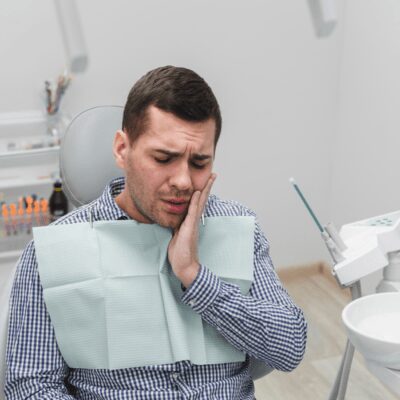
The bottom line: the symptoms overlap, and you can’t always tell the difference on your own. An exam and X-ray sort it out quickly and point you toward the right fix.
When Do You Really Need a Wisdom Tooth Removed?
Here’s something that may surprise you: not every wisdom tooth needs to come out. If yours have come in straight, you can clean them well, and they aren’t causing problems, your dentist may simply keep an eye on them over time.
The only way to know for sure is an exam and an X-ray, which let us see what’s happening below the gumline. We’ll usually recommend removal when:
- A tooth is impacted and can’t come in properly
- You keep getting infections or pericoronitis around the tooth
- The tooth has decay that can’t be repaired
- It’s pushing on or damaging the neighboring tooth
- A cyst or other change shows up on your X-ray

If removal is the right call, you’re in good hands. Our team performs tooth extractions every day, and Dr. Jack Summerlin brings real surgical experience to more complex cases. And if you do have a tooth removed, our companion guide on what to eat after wisdom teeth removal and how to heal comfortably walks you through recovery step by step.
What Happens When You Come In
If you’ve been putting off a visit because you’re not sure what to expect, here’s the short version. We start by listening to what you’re feeling, then take a quick look and an X-ray to see the full picture.
From there, we explain what’s going on in plain language and lay out your options—no pressure, no judgment. If you’re anxious about dental visits, you’re far from alone, which is why we offer comfort dentistry options like nitrous oxide to help you relax from start to finish.
Worried the pain means surgery, big costs, or a scary visit? Take a breath. The first step is simply finding out what’s going on. Book an appointment today and let our team walk you through your options in a warm, welcoming setting.
How to Prevent Wisdom Tooth Problems
You can’t stop wisdom teeth from coming in, but you can stay ahead of the pain. The best protection is keeping up with regular checkups so we can track your wisdom teeth with X-rays and catch issues early—often before they ever hurt.
Brush and floss all the way to the back molars, even though they’re tricky to reach. And if you start noticing tenderness, swelling, or a bad taste at the back of your mouth, don’t tough it out. Small problems are far easier (and cheaper) to handle than big ones.
Frequently Asked Questions
They can, especially if a tooth is pushing on its neighbor. That’s one of the things we keep an eye on at your regular checkups so we can step in before it becomes a bigger problem.
It depends on how many teeth are removed, how complex they are, and your insurance coverage. The most accurate way to get a number is a quick exam—we’ll review the cost and your options with you up front, before anything is scheduled.
The procedure itself isn’t, because the area is fully numbed, and comfort options like nitrous oxide are available if you’re nervous. You can expect some soreness and swelling afterward, which is easily managed with ice and the pain relievers we recommend.
The discomfort can ease for a while, but the root cause—like impaction or infection—usually doesn’t disappear by itself. Getting evaluated is the only way to know whether it’s truly resolved.
A flare-up from gum irritation might calm down in a few days, but it tends to return if the underlying cause isn’t treated. If your pain lasts more than three or four days or keeps coming back, it’s time to be seen.
Don’t Let Wisdom Tooth Pain Run Your Life
Wisdom tooth pain almost always has a fixable cause. Home remedies can buy you comfort in the short term, removal isn’t always necessary, and when it is, the process is usually quicker and easier than people expect.
The one thing we’d gently urge you not to do is ignore it. Catching the problem early keeps you comfortable, protects your other teeth, and usually saves you money down the road.
The sooner you’re seen, the sooner you feel better—so don’t wait until the pain gets worse. Our friendly team in Anderson, Fortville, Indianapolis, and Cicero is ready to help you get relief and get back to your day. Request your appointment with Advanced Dental Care of Indiana today, and let’s take care of that smile together.