

A toothache can throw off your whole day. Eating becomes uncomfortable. Talking can feel annoying. Sleeping gets harder. And if the pain shows up at night or over a weekend, it can leave you searching for fast relief while you wait to see a dentist.
The good news is that there are a few safe things you can do at home to make a toothache more manageable for a short time. The important word there is short. A toothache is usually a sign that something is wrong — such as decay, a crack, an infection, gum irritation, a broken filling, or even an impacted wisdom tooth — and it often needs professional treatment to truly get better.
If you’re dealing with dental pain right now, this guide will walk you through what may help at home, what to avoid, and when it’s time to stop waiting and call a dentist.
First, know what a toothache is really telling you
Tooth pain is not just “bad luck.” It’s usually your body’s way of telling you that a tooth, nerve, or surrounding gum tissue is irritated. One of the most common causes is tooth decay, but toothaches can also come from food trapped between teeth, swelling or infection around the root or gums, grinding or clenching, a cracked tooth, a damaged filling, gum disease, or a wisdom tooth that does not have enough room to come in properly.
That matters because home care can help you feel better temporarily, but it does not fix the reason the pain started. So if you’re looking up how to relieve toothache at home before seeing a dentist, the best mindset is this: you are buying yourself a little comfort while you arrange the right care.
What you can do at home right away
1. Rinse your mouth with warm water
This is simple, but it helps. A warm-water rinse can wash away debris, calm the area a little, and make your mouth feel cleaner. Mayo Clinic recommends rinsing your mouth with warm water as an early self-care step for toothache.
2. Try a warm salt-water rinse
A salt-water rinse is one of the most practical home remedies for toothache and swelling. The NHS recommends rinsing with salt water while waiting for a dental appointment. Their instructions are straightforward: dissolve about half a teaspoon of salt in a glass of warm water, swish it around your mouth, and spit it out.
This is especially helpful if your gums feel irritated, food may be stuck around the tooth, or the area feels puffy.
3. Use pain relievers as directed, if they’re safe for you
If you can safely take over-the-counter pain medicine, that may help take the edge off the pain. The NHS lists ibuprofen or paracetamol/acetaminophen among common ways to ease toothache while waiting for treatment, and the American Dental Association says nonopioid medications are first-line therapy for temporary management of toothache.
The key is to follow the package directions and your own doctor’s advice, especially if you have stomach ulcers, kidney disease, liver disease, blood-thinner use, pregnancy, or any medical reason certain pain relievers may not be right for you. If you’re unsure, ask a pharmacist or your physician.
4. Use a cold compress on the outside of your cheek
If your toothache came after trauma, or if the area feels swollen, a cold compress on the outside of the cheek can help reduce discomfort. Mayo Clinic specifically recommends a cold compress if the pain was caused by trauma to the tooth.
Wrap the cold pack in a towel and hold it against the outside of your face for short intervals. Do not put ice directly on the tooth or gum.
5. Eat soft foods and avoid the sore side
When your tooth hurts, now is not the time for crunchy chips, steak, or chewing ice. The NHS recommends soft foods like yogurt or scrambled eggs and suggests trying to avoid chewing with the sore tooth.
This is one of the easiest ways to avoid making the pain worse while you wait for your appointment.
6. Be careful with flossing
Here’s the balanced version: if you think food is stuck between your teeth, gentle flossing may help remove it. Mayo Clinic includes flossing as a toothache self-care step for trapped food or plaque. But if the area is very inflamed or extremely tender, avoid aggressive flossing or repeated digging at the spot. The NHS specifically advises using a soft toothbrush and avoiding flossing around the sore tooth.
A good rule is: one gentle try is fine. Forcing it is not.
7. Stick to mild temperatures
Very hot coffee, ice water, sugary snacks, and acidic foods can all set off tooth pain. The NHS recommends avoiding foods that are sweet, very hot, or very cold when you have a toothache.
That means this is a good day for soft, bland, lukewarm foods instead of extremes.
Need help now instead of guessing at home remedies? Advanced Dental Care of Indiana offers general and emergency dental care, and the practice’s current locations include
Indianapolis (317-926-5200),
Anderson (765-622-7000),
Fortville (317-485-7000), and
Cicero (317-984-3000).
Call the office nearest you and let them know you’re dealing with tooth pain.
What not to do when you have a toothache
Sometimes what not to do matters just as much as what to do.
Don’t place aspirin on your tooth or gums
This old home remedy is not a good one. Mayo Clinic specifically warns against placing aspirin or another painkiller directly against your gums because it can burn the gum tissue.
If you’re taking pain medicine, swallow it as directed. Don’t apply it directly to the sore area.
Don’t keep testing the tooth
A lot of people do this without realizing it. They bite on it “just to see,” tap it with a fingernail, or keep checking it with their tongue. That usually just irritates the area more. If the tooth hurts, leave it alone as much as you can until you’re seen.

Don’t use sharp tools to dig around the tooth
If something feels stuck, use floss gently once. Do not use pins, tweezers, toothpicks jammed into the gum, or any sharp household tool. That can damage your gums and make things worse. Dentists recommend floss for food bits or plaque, not improvised instruments.
Don’t smoke
The NHS advises against smoking when you have toothache because it can make some dental problems worse. If there were ever a good day to skip cigarettes or vaping, it’s today.
Don’t treat a toothache like it’s solved just because the pain calmed down
This is a big one. Tooth pain sometimes fades when the nerve inside the tooth begins to die, or when the pressure changes. That does not mean the problem is gone. It can still worsen quietly underneath. A toothache should be evaluated by a dentist because it can signal a cavity, gum disease, an abscess, or an impacted tooth.
When a toothache stops being “wait and see”
Some dental pain can wait a short time for the next available appointment. Some cannot.
You should call your dentist or doctor right away if the pain lasts more than a day or two, or if it comes with fever, swelling, pain when biting, red gums, or a foul-tasting discharge. The NHS says to see a dentist if pain lasts more than two days, does not go away with painkillers, or comes with a high temperature, pain when you bite, red gums, a bad taste in your mouth, or swelling of the cheek or jaw.
Those symptoms can point to infection, an abscess, or a more serious problem that needs prompt treatment.
Go for urgent emergency care if you have trouble breathing or swallowing
This part is extremely important. If toothache is accompanied by trouble breathing or swallowing, you should go to the emergency department. The NHS similarly advises immediate emergency care if swelling around the mouth or neck makes it difficult to breathe, swallow, or speak, or if swelling spreads around the eye or neck.
That can signal a serious infection, and it should not be handled with home remedies.
If your toothache comes with swelling, fever, a bad taste, or pain that keeps coming back, don’t wait it out. Advanced Dental Care of Indiana offers emergency dental care services, and our offices are available in Indianapolis, Anderson, Fortville, and Cicero. Call for guidance and the soonest available evaluation.
What your dentist will do that home care cannot
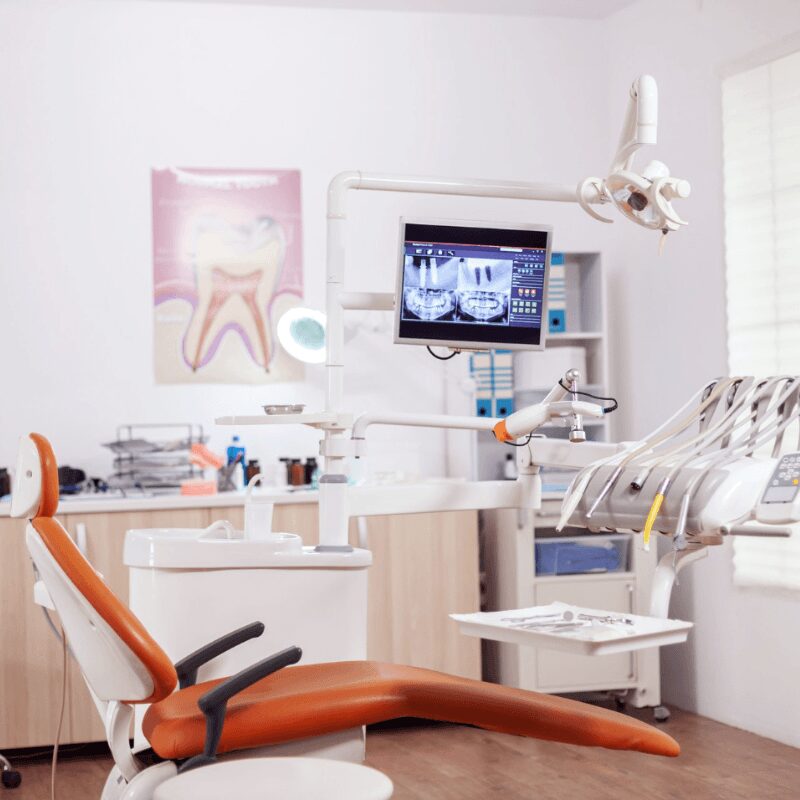
A home remedy can ease pain. A dentist finds and treats the cause.
Depending on what’s going on, your dentist may examine the tooth, take X-rays, test the bite, and look for cracks, decay, gum problems, or infection. Advanced Dental Care of Indiana lists services such as dental X-rays, emergency dental care, root canal therapy, tooth extraction, dental cleanings, gum disease treatment, and general dentistry.
That matters because tooth pain can come from many different issues. A cavity may need a filling. A deep infection may need root canal treatment. A broken tooth may need a crown. A damaged tooth that cannot be saved may need extraction. Gum-related pain may need a different kind of treatment entirely. Until the cause is identified, home care is only part of the picture.
If your toothache is mild, should you still call?
Usually, yes.
The American Dental Association’s MouthHealthy resource says a toothache should be evaluated by a dentist right away to determine the cause and help prevent the tooth from dying. That does not mean every mild toothache is a midnight emergency, but it does mean dental pain is not something to ignore for long.
In other words, if you’re searching for how to stop tooth pain at home until you see a dentist, the smartest plan is to make the appointment first — then use safe home measures to get through the wait.
How to lower the chance of another toothache
Toothaches are not always preventable, but many of the most common causes can be reduced with steady home care and routine dental visits.
The NHS recommends regular dental checkups, brushing twice a day for about two minutes with fluoride toothpaste, cleaning between the teeth every day with floss or an interdental brush, and cutting down on sugary foods and drinks. The ADA’s oral health recommendations also emphasize brushing twice daily with fluoride toothpaste, cleaning between the teeth daily, limiting sugar, and seeing your dentist regularly. Advanced Dental Care of Indiana’s general dentistry guidance similarly emphasizes preventive care, cleanings, and early treatment.
If you’ve had one toothache, that does not mean another is guaranteed. But it is a good reminder that prevention is almost always easier, cheaper, and more comfortable than emergency treatment.
Toothache relief at home: the short version
If you want the quick summary, here it is:
- Rinse with warm water.
- Use a warm salt-water rinse.
- Take a nonopioid over-the-counter pain reliever if it is safe for you and you follow the label.
- Use a cold compress on the outside of your cheek if there is trauma or swelling.
- Eat soft foods and avoid chewing on the sore side.
- Avoid sweet, very hot, and very cold foods.
- Do not place aspirin on the gums.
- See a dentist promptly, especially if pain lasts more than 1–2 days or comes with swelling, fever, or a bad taste.
Ready to stop managing the pain and start fixing the cause? Contact Advanced Dental Care of Indiana for an exam and personalized treatment plan. Current office numbers listed on the practice site are Indianapolis: (317) 926-5200, Anderson: (765) 622-7000, Fortville: (317) 485-7000, and Cicero: (317) 984-3000.
Final thoughts
A toothache can make everything feel urgent, and understandably so. The right home steps can help you stay more comfortable for a little while: warm water, salt-water rinses, soft foods, cold compresses, and appropriate nonopioid pain relief. But those are temporary tools, not permanent answers.
The real goal is not just to quiet the pain for a few hours. It’s to find out why the tooth hurts and take care of it before it turns into something bigger. If your pain is lingering, returning, getting worse, or coming with swelling or fever, it’s time to make the call.