
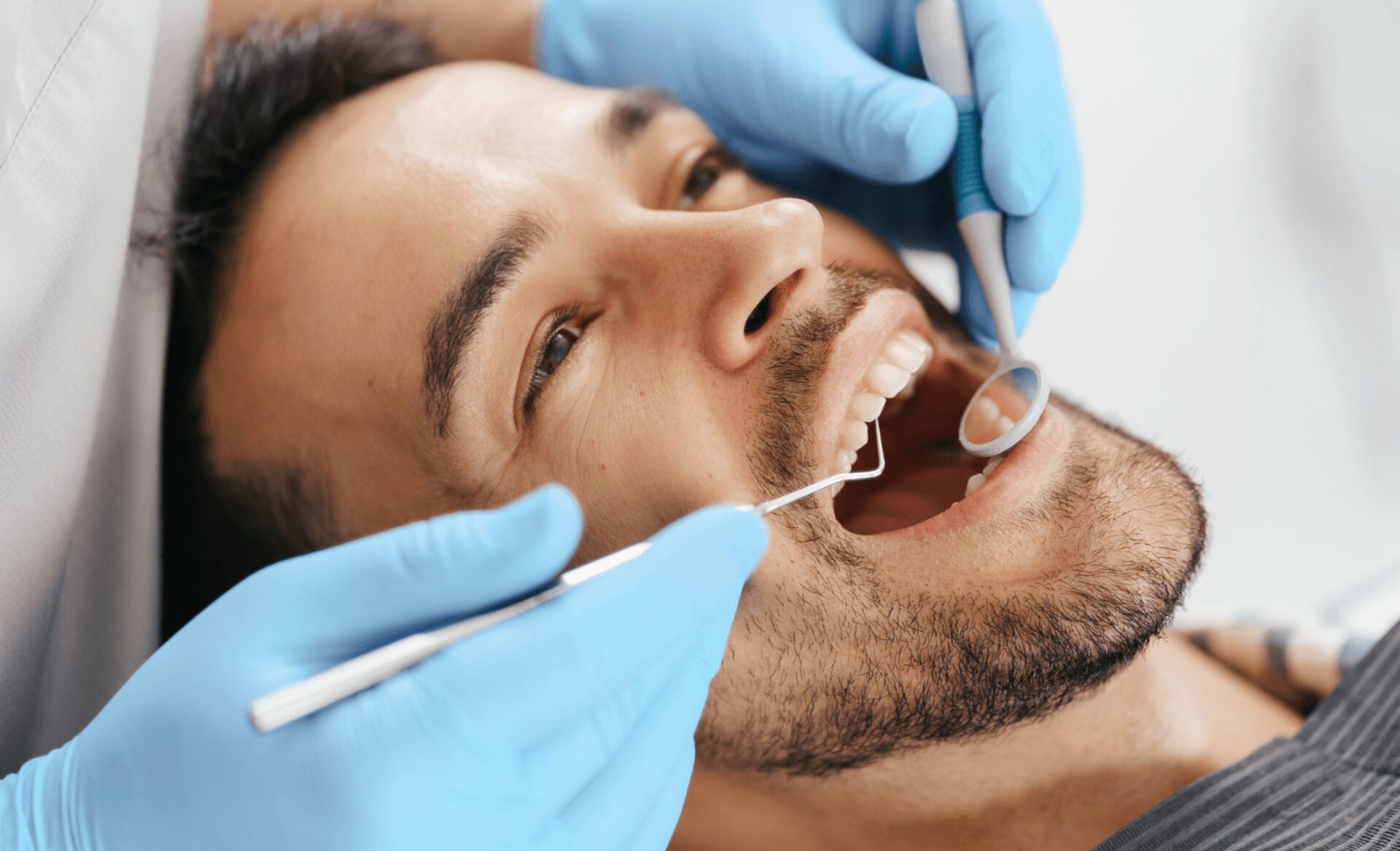
It’s easy to postpone a dental cleaning when life gets busy. Work piles up. Kids have activities. Your mouth feels “fine,” so moving that appointment a few weeks — or a few months — doesn’t seem like a big deal.
A lot of patients do exactly that.
The problem is that professional dental cleanings do much more than make your teeth feel smooth. At Advanced Dental Care of Indiana, cleanings are designed to remove plaque, tartar, and stains that build up over time, and the practice recommends routine cleanings every 6 to 12 months as part of preventive care. Our exam guidance also notes that regular dental checkups and good oral hygiene help prevent most dental disease.
So what actually happens if you keep skipping cleanings?
Usually, it doesn’t start with dramatic pain. It starts quietly. A little more buildup. A little more bleeding when you brush. Maybe some bad breath that keeps coming back. Over time, those small changes can turn into gum disease, cavities, deeper cleanings, and more expensive treatment than most people expected.
If not removed daily, plaque can solidify into tartar. According to the National Institute of Dental and Craniofacial Research (NIDCR), once tartar forms, it can only be eliminated by a professional cleaning from a dentist or dental hygienist.
Let’s walk through what really happens when dental cleanings keep getting pushed aside.
Dental cleanings do more than people think
A lot of people think a cleaning is mostly cosmetic. They picture polishing paste, a brighter smile, and that fresh feeling when they leave.
That’s part of it — but only part.
Professional cleanings are preventive care. They remove the sticky plaque and hardened tartar that daily brushing and flossing can miss, especially around the gumline and in hard-to-reach spots. Advanced Dental Care of Indiana specifically describes cleanings as a way to remove plaque, tartar, and stains, and notes that routine cleanings help lower the chance of periodontal disease.

That matters because plaque is not harmless. According to the American Dental Association (ADA) and NIDCR, plaque is a bacterial film that contributes to tooth decay and gum disease. If it isn’t removed well each day, it can harden into tartar, and tartar becomes a major driver of gum inflammation.
So when you skip cleanings, you are not just missing a polish. You are missing a preventive appointment that helps interrupt problems before they become bigger.
The first thing that happens: plaque and tartar keep building
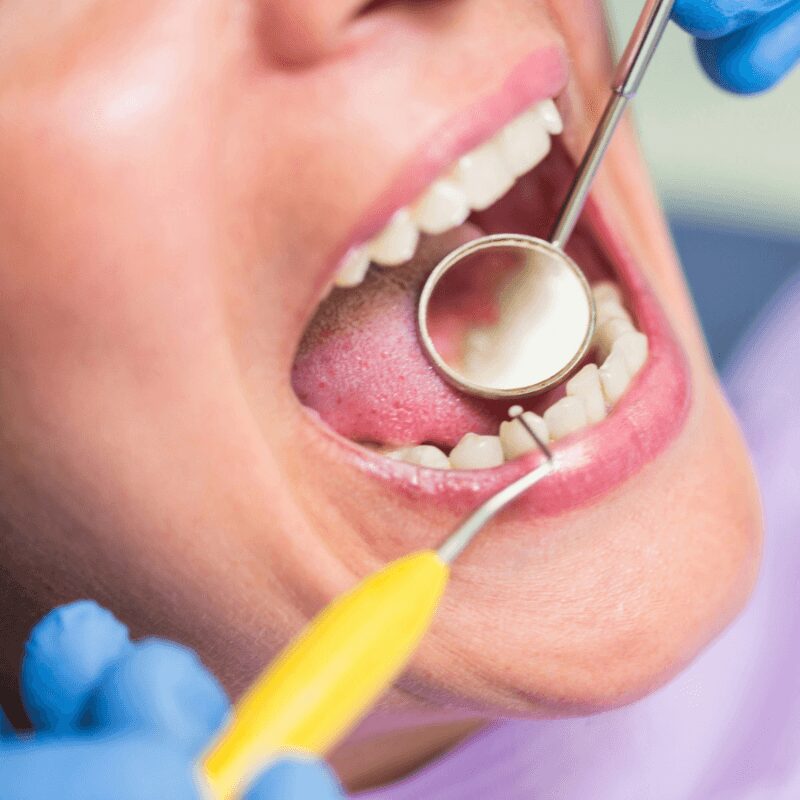
If you miss one cleaning, it does not mean your teeth will suddenly fall apart.
But if skipped cleanings become a pattern, plaque gets more time to accumulate. The longer it sits, the greater the chance it hardens into tartar. MedlinePlus notes that plaque begins to build on teeth within minutes after eating, and if it is not cleaned away well each day, it can lead to tooth decay or gum disease; when plaque is not removed, it turns into tartar.
And this is where brushing alone stops being enough.
Once tartar forms, you cannot brush it off at home. NIDCR is very clear: only a professional cleaning can remove tartar.
That’s why patients often say things like:
- “My teeth feel rough even after brushing.”
- “I keep seeing buildup behind my lower front teeth.”
- “My gums bleed, but I brush every day.”
Often, tartar buildup is part of the story.
Then come the gum changes: bleeding, puffiness, and gingivitis
One of the earliest long-term risks of skipping dental cleanings is gingivitis, the earliest stage of gum disease.
At first, it may seem minor:
- your gums bleed when you floss
- they look red instead of pink
- they feel puffy or tender
- your breath does not stay fresh for long
NIDCR explains that the longer plaque and tartar stay on teeth, the more harmful they become. The bacteria cause inflammation called gingivitis. The good news is that gingivitis is usually reversible with daily brushing, flossing, and regular cleanings by a dentist or hygienist. (NIDCR)
This is why skipping cleanings matters so much. It closes the window where things are easiest to fix.
If you catch gum inflammation early, treatment is usually simple. If you keep postponing care, the condition can move into something more serious.
Seeing bleeding gums, stubborn tartar, or bad breath that keeps coming back?
Now is the perfect time to get back on track with a professional cleaning.
Schedule with Advanced Dental Care of Indiana:
- Indianapolis: (317) 926-5200
- Anderson: (765) 622-7000
- Fortville: (317) 485-7000
- Cicero: (317) 984-3000
If you keep waiting, gingivitis can turn into periodontitis
This is where the consequences get more serious.
Center for Disease Control and Prevention (CDC) explains that periodontal disease involves inflammation and infection of the tissues and bone that surround and support the teeth. NIDCR also notes that periodontal disease is the most common cause of tooth loss among adults.
In other words, untreated gum disease is not just about sore gums. It can affect the very structures holding your teeth in place.
As periodontal disease advances, patients may notice:
- gums pulling away from the teeth
- deeper pockets around teeth
- persistent bad breath
- tenderness when chewing
- loose teeth
- changes in the way teeth fit together
NIDCR notes that in advanced stages, gum disease can lead to tissue and bone loss, loose teeth, painful chewing problems, and even tooth loss.
That is one of the biggest long-term risks of skipping dental cleanings: the problem quietly shifts from “I’m overdue” to “Now I need more involved periodontal treatment.”
Cavities become more likely, too
Skipping cleanings is not only a gum issue. It increases your risk for cavities as well.
Plaque contains bacteria, and those bacteria produce acids that wear away tooth structure. The ADA notes that plaque contributes to tooth decay, while Advanced Dental Care of Indiana’s general dentistry page emphasizes preventive care to help stop decay before it turns into bigger problems.
Here’s why missed cleanings make decay more likely:
- tartar gives bacteria more places to cling
- problem areas between teeth are easy to miss at home
- early cavities often do not hurt
- without regular exams, small issues can go unnoticed longer
Many patients assume that if nothing hurts, nothing is wrong. That’s one of the biggest myths in dentistry.
A cavity can stay small and painless for a long time — until it suddenly isn’t. And once decay gets deeper, treatment usually becomes more expensive and more invasive.
You may end up needing a deep cleaning instead of a regular one
This is a big turning point.
A regular cleaning is preventive. But if plaque and tartar are allowed to build up below the gumline and cause gum disease, your dentist may recommend scaling and root planing, often called a deep cleaning.
According to ADA MouthHealthy, scaling and root planing is a deep cleaning below the gumline used to treat gum disease. It becomes necessary when plaque causes gum inflammation and pockets to form around the teeth.
That means skipping routine cleanings can sometimes turn a simple maintenance visit into a more involved periodontal procedure.
This does not mean deep cleanings are bad. They are often exactly what a patient needs. But it does mean that delaying preventive care can move you from easier treatment into more extensive treatment.
Bad breath and surface stains tend to stick around longer
This may not be the most serious risk on the list, but it is one patients notice fast.
When plaque, tartar, and bacteria build up, bad breath becomes harder to control with mints and mouthwash alone. Stains from coffee, tea, wine, tobacco, and everyday life also have more time to cling to buildup on the teeth.
Advanced Dental Care of Indiana notes that cleanings remove plaque, tartar, and stains. That is one reason patients often notice both fresher breath and a cleaner-looking smile after an appointment.
So if you keep brushing but your mouth still doesn’t feel fresh, or your smile keeps looking dull even though you are “trying,” skipping cleanings may be part of the reason.
Small problems stop getting caught early
This is one of the most overlooked consequences.
Routine cleanings are usually paired with dental exams. That gives your dental team a chance to catch:
- early decay
- worn fillings
- cracked teeth
- gum inflammation
- bite problems
- areas that need more focused home care
Advanced Indiana’s examination guidance says these visits help examine the mouth, neck, and face for preventive measures, and that routine visits help prevent most dental disease.
When you skip cleanings, you are also often skipping those early check-ins. And that means a lot of small, fixable issues stay hidden longer.
It usually gets more expensive, not less
One of the most common reasons patients postpone cleanings is cost.
Ironically, delaying preventive care often leads to more expensive care later.
A routine cleaning is one of the simplest, most affordable dental visits. But if skipped cleanings lead to:
- fillings
- deep cleanings
- crowns
- root canal treatment
- extractions
- tooth replacement
The total cost usually climbs quickly.
This is not meant to scare anyone. It is just the practical reality of prevention: the earlier you deal with a problem, the simpler it usually is.
Overdue for a cleaning and worried things may have gotten worse?
That’s exactly when you should come in — not wait longer.
Book a professional cleaning or exam with Advanced Dental Care of Indiana:
- Indianapolis: (317) 926-5200
- Anderson: (765) 622-7000
- Fortville: (317) 485-7000
- Cicero: (317) 984-3000
How often should you really get your teeth cleaned?
There is no single answer that fits every person perfectly, but there is a strong general guideline.
Advanced Dental Care recommends patients schedule a teeth cleaning every six months. This aligns with the general dental recommendation for preventive care, which suggests a cleaning every 6 to 12 months.
Some patients need more frequent visits than others, especially if they have:
- a history of gum disease
- heavier tartar buildup
- smoking or vaping habits
- diabetes
- crowded teeth that trap plaque more easily
That is why a personalized recommendation matters. But in general, if it has been over six months and especially if it has been over a year, it is worth getting back on the schedule.
Signs you may be overdue for a cleaning
Not everyone feels obvious symptoms when they are overdue. But some common signs include:
- bleeding when brushing or flossing
- yellow or brown buildup near the gumline
- persistent bad breath
- gums that look puffy or darker red
- teeth that feel rough or “fuzzy”
- more staining than usual
- sensitivity around certain teeth
Even if you do not have any of those, you can still be overdue. Dental issues often develop quietly.
What if it’s been years?
This is the part many patients need to hear:
If it has been years since your last cleaning, you are not the only one.
People fall behind for all kinds of reasons:
- busy schedules
- insurance changes
- dental anxiety
- family responsibilities
- embarrassment
- money concerns
The important thing is not why you got behind. It is what you do next.
A good dental office is not there to shame you. The goal is to assess where things stand now, remove what can be removed safely, and build a realistic plan to get your oral health moving in the right direction again.
Advanced Dental Care of Indiana offers a comprehensive range of services—preventive, restorative, cosmetic, and comfort dentistry—providing precisely the support needed for patients who are overdue for care and returning to the practice.
Why Indianapolis-area patients benefit from staying local
For Indiana patients, staying consistent with a local dental office makes it easier to keep up with preventive care. Follow-up is simpler. Scheduling is easier. And if something changes between visits, you already know who to call.
With clinics located in Indianapolis, Anderson, Fortville, and Cicero, Advanced Dental Care of Indiana makes it convenient for patients across central Indiana to access routine care. This widespread presence encourages consistent check-ups, helping patients avoid waiting until a painful problem arises.
If your last cleaning keeps getting pushed to “next month,” let this be the month you reset.
A routine visit now can help you avoid gum disease, tooth decay, and bigger treatment later.
Call Advanced Dental Care of Indiana today:
- Indianapolis: (317) 926-5200
- Anderson: (765) 622-7000
- Fortville: (317) 485-7000
- Cicero: (317) 984-3000
Final thoughts
Skipping one cleaning does not automatically ruin your smile.
But repeatedly skipping dental cleanings changes the odds in the wrong direction. Plaque has more time to build. Tartar hardens and stays put. Gums become inflamed. Cavities have longer to grow unnoticed. And problems that could have been simple to manage can turn into periodontal treatment, restorative work, or even tooth loss. Professional cleanings remove plaque, tartar, and stains, and regular care is a key part of preventing gum disease and detecting problems earlier.
The good news is that this is one of the easiest places in dentistry to turn things around.
You do not need a perfect dental history to start again. You just need your next appointment.